

Plane
Which layer receives the product, and what governs the needle or cannula decision.


AN ATDERA PROGRAMME · DIRECTED BY PROF. DR. SELÇUK TUNALI
One day of live cadaver dissection for medical aesthetics. Saturday 7 November 2026 · Online, in English.
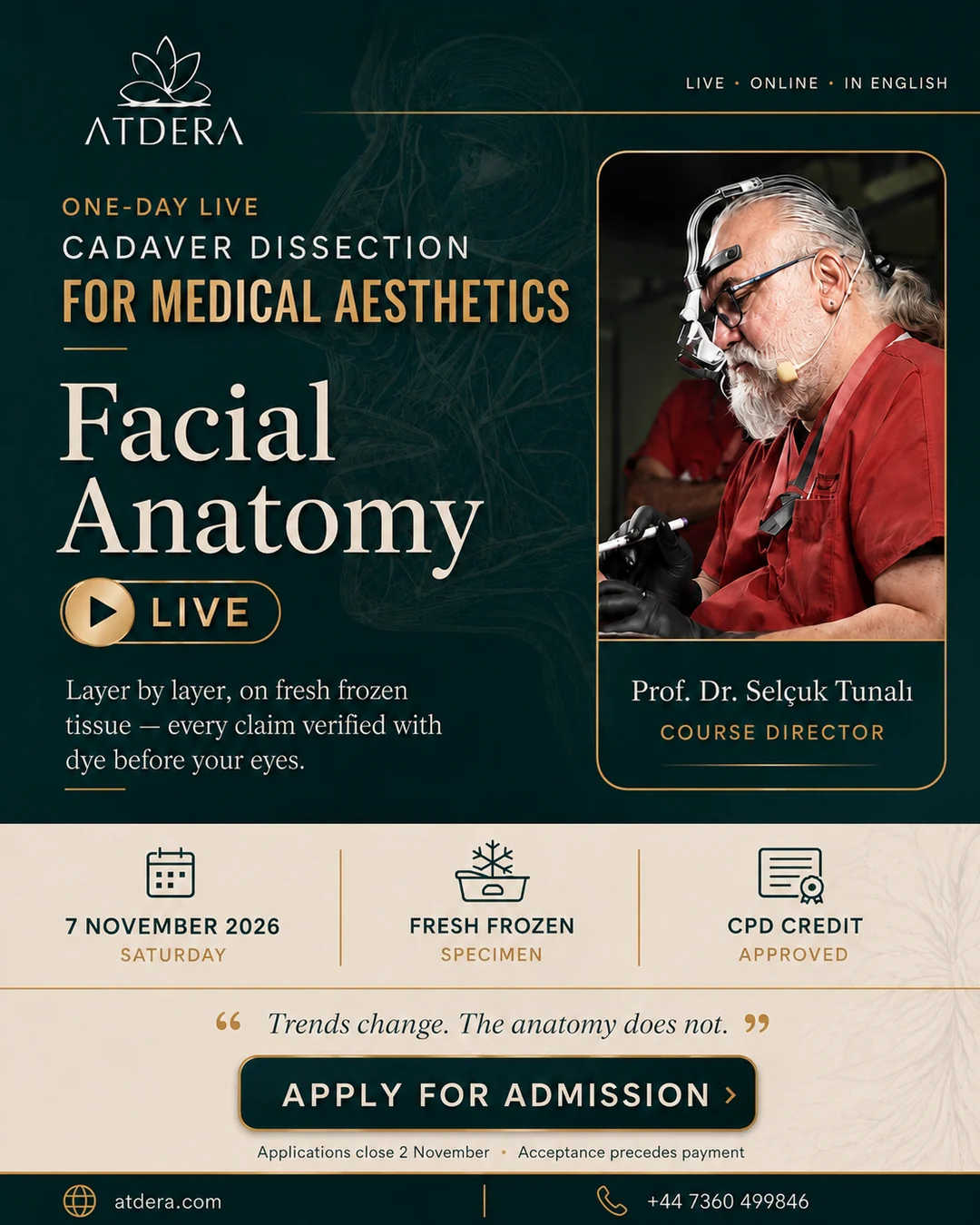
Every injection is an anatomical act. The artery does not announce itself; the plane does not forgive guesswork. On 7 November, the anatomy of the aesthetic face is opened live, layer by layer, on fresh frozen tissue, and every claim is verified with dye before your eyes.
Trends change. The anatomy does not.
The day
| Block | Collapsed line | Expanded content |
|---|---|---|
| 1 | The layered faceFive layers opened on a hemiface; fat compartments; SMAS; the retaining ligaments | Live opening of the five layers on a hemiface; superficial and deep fat compartments; SMAS continuity; the orbital, zygomatic, masseteric and mandibular retaining ligaments.Dye: subcutaneous versus supraperiosteal bolus; needle and cannula spread within the layer |
| 2 | Upper face and templeSupratrochlear and supraorbital bundles; toxin diffusion planes; the temple's injection planes | Forehead layers; emergence and transition points of the supratrochlear and supraorbital bundles; the glabellar complex and the anatomical basis of toxin diffusion; the injection planes of the temple, the middle temporal vein and the deep temporal arteries.Dye: deep temporal plane bolus; superficial placement in the glabellar region |
| 3 | Periorbital and midfaceTear trough; infraorbital bundle; angular artery; the plane for polynucleotides and boosters | Tear trough and the orbicularis retaining ligament; SOOF; the infraorbital bundle; the angular artery at the medial canthus; the tortuous course of the facial artery; malar and deep medial cheek fat; the pyriform region; the plane for polynucleotides and boosters beneath the eye.Dye: supraperiosteal medial cheek bolus; cannula plane in the infraorbital region |
| 4 | Nose and lipsThe nasal network; risk in the post-rhinoplasty nose; labial artery depth, sectioned live | The dorsal nasal, lateral nasal and columellar network with tip anastomoses; the logic of risk in the post-rhinoplasty nose; live sectional demonstration of the depth variation of the superior and inferior labial arteries; philtrum, modiolus and the perioral musculature.Dye: submucosal versus intramuscular bolus in the lip |
| 5 | Lower face, jawline and the ageing faceFacial artery at the mandible; the male lower face; bone, fat and ligament change | The facial artery crossing the mandible; the mental nerve; jowl fat, the mandibular ligament and the prejowl sulcus; the chin and masseteric region with the structural differences of the male lower face; bone resorption vectors, deep fat deflation and ligament laxity read within the region.Dye: bolus in the jawline and chin planes |
| 6 | The Vascular MapThe unified arterial map on one specimen; embolic routes; hyaluronidase target planes | The unified map of the day's arteries on a single specimen; embolic routes toward the orbit and the logic of retrograde flow; the angular vein and venous caution; region-by-region reading of hyaluronidase target planes.Dye: dyed arterial demonstration (arteries prepared with coloured polymer) |
Live opening of the five layers on a hemiface; superficial and deep fat compartments; SMAS continuity; the orbital, zygomatic, masseteric and mandibular retaining ligaments.
Dye: subcutaneous versus supraperiosteal bolus; needle and cannula spread within the layer
Forehead layers; emergence and transition points of the supratrochlear and supraorbital bundles; the glabellar complex and the anatomical basis of toxin diffusion; the injection planes of the temple, the middle temporal vein and the deep temporal arteries.
Dye: deep temporal plane bolus; superficial placement in the glabellar region
Tear trough and the orbicularis retaining ligament; SOOF; the infraorbital bundle; the angular artery at the medial canthus; the tortuous course of the facial artery; malar and deep medial cheek fat; the pyriform region; the plane for polynucleotides and boosters beneath the eye.
Dye: supraperiosteal medial cheek bolus; cannula plane in the infraorbital region
The dorsal nasal, lateral nasal and columellar network with tip anastomoses; the logic of risk in the post-rhinoplasty nose; live sectional demonstration of the depth variation of the superior and inferior labial arteries; philtrum, modiolus and the perioral musculature.
Dye: submucosal versus intramuscular bolus in the lip
The facial artery crossing the mandible; the mental nerve; jowl fat, the mandibular ligament and the prejowl sulcus; the chin and masseteric region with the structural differences of the male lower face; bone resorption vectors, deep fat deflation and ligament laxity read within the region.
Dye: bolus in the jawline and chin planes
The unified map of the day's arteries on a single specimen; embolic routes toward the orbit and the logic of retrograde flow; the angular vein and venous caution; region-by-region reading of hyaluronidase target planes.
Dye: dyed arterial demonstration (arteries prepared with coloured polymer)
09.45–18.00 Istanbul time · questions collected in advance · moderated discussion closes every block. The day opens with a statement of respect for the donor and closes with a single frame: the completed Vascular Map.
Applications are screened on submission; most receive a decision within minutes. Acceptance precedes payment.
Three lenses
Which layer receives the product, and what governs the needle or cannula decision.
What runs where, and how depth and course vary.
When things go wrong, what the anatomy says, and which plane hyaluronidase targets.
Why live
Faculty
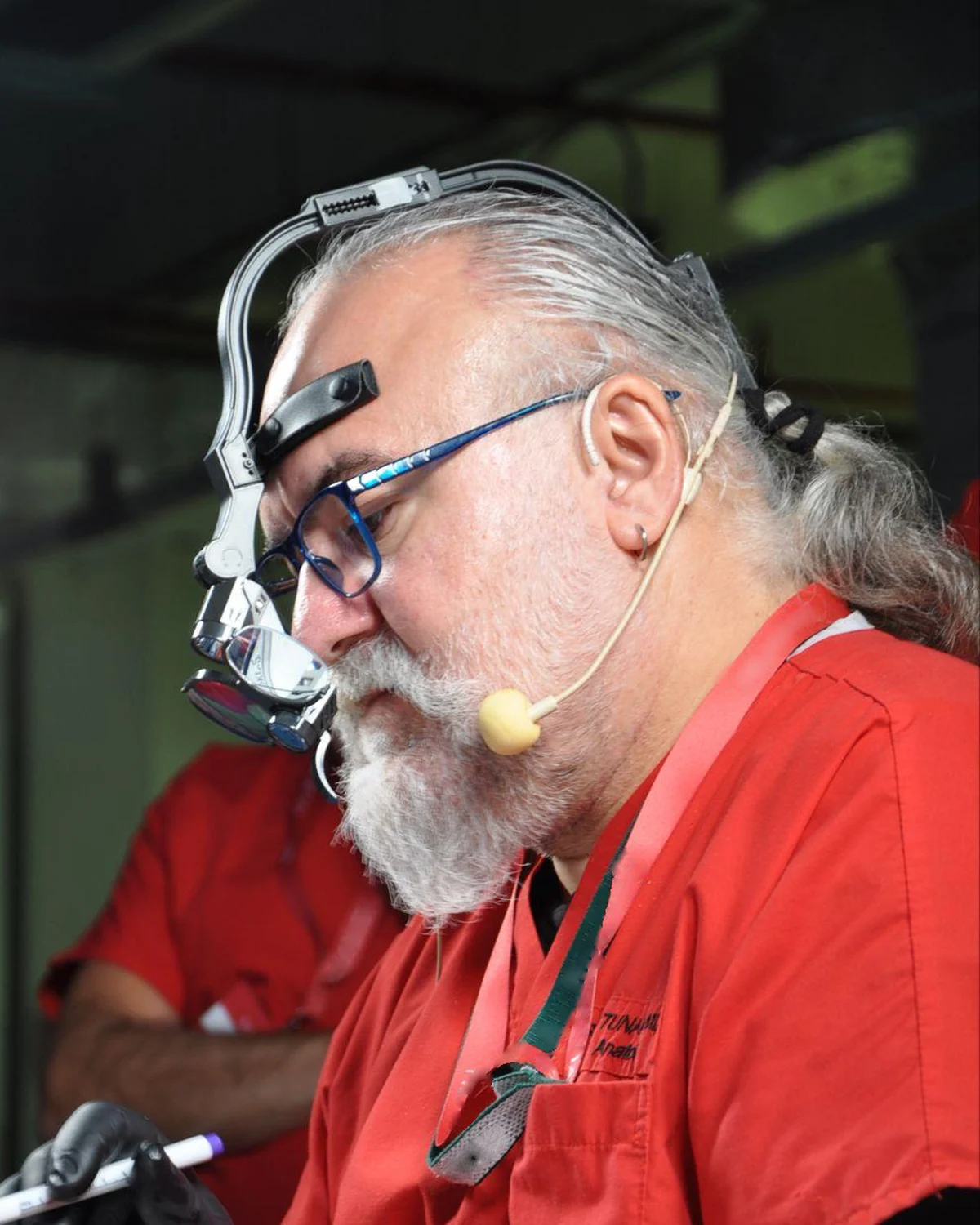
Course Director
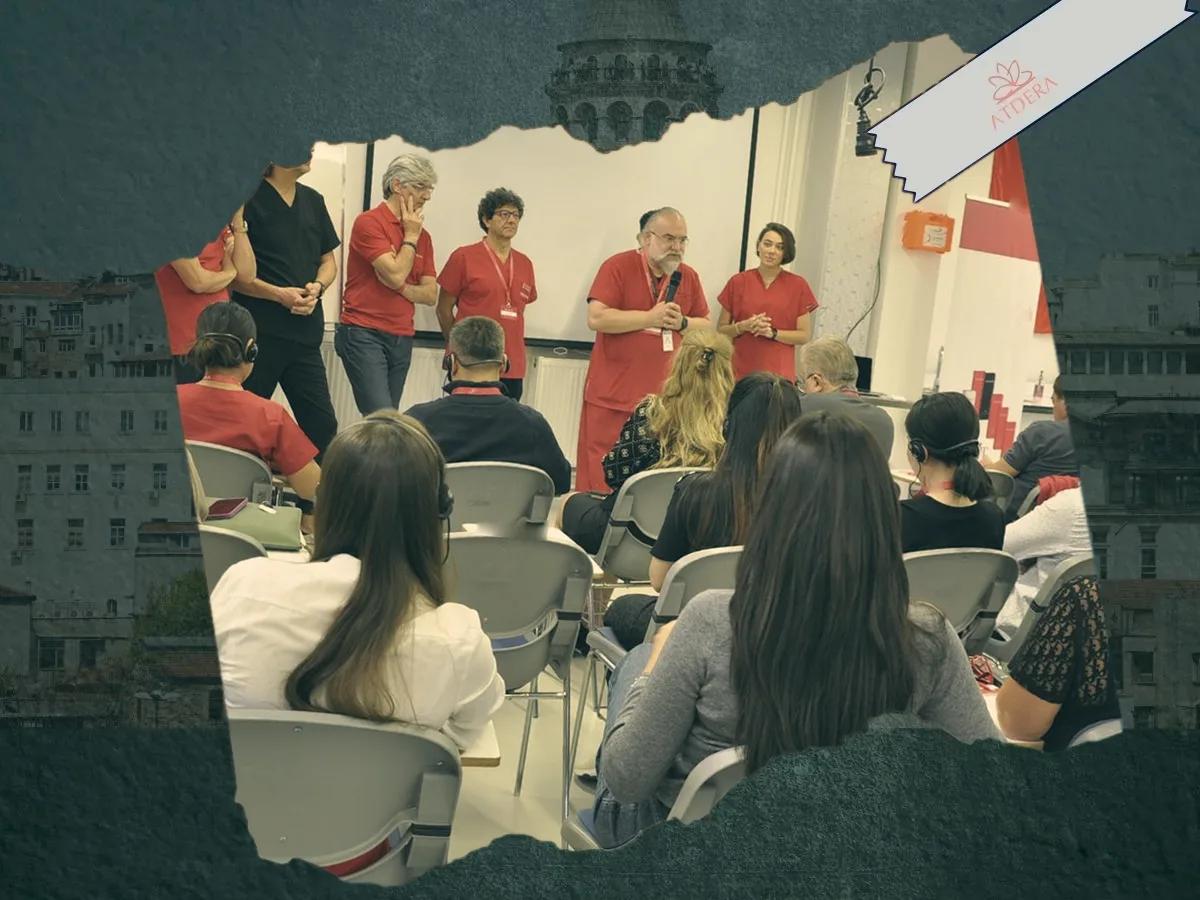
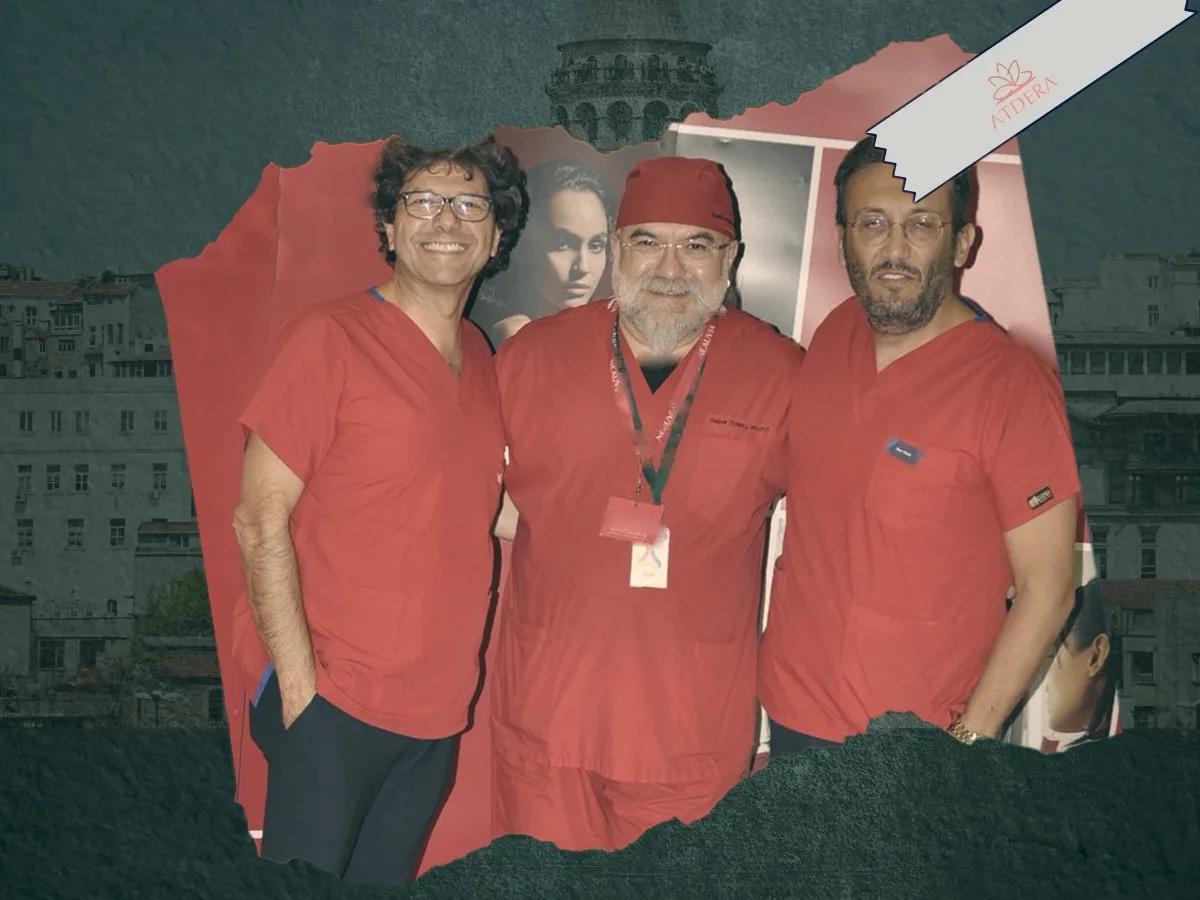
From past teaching
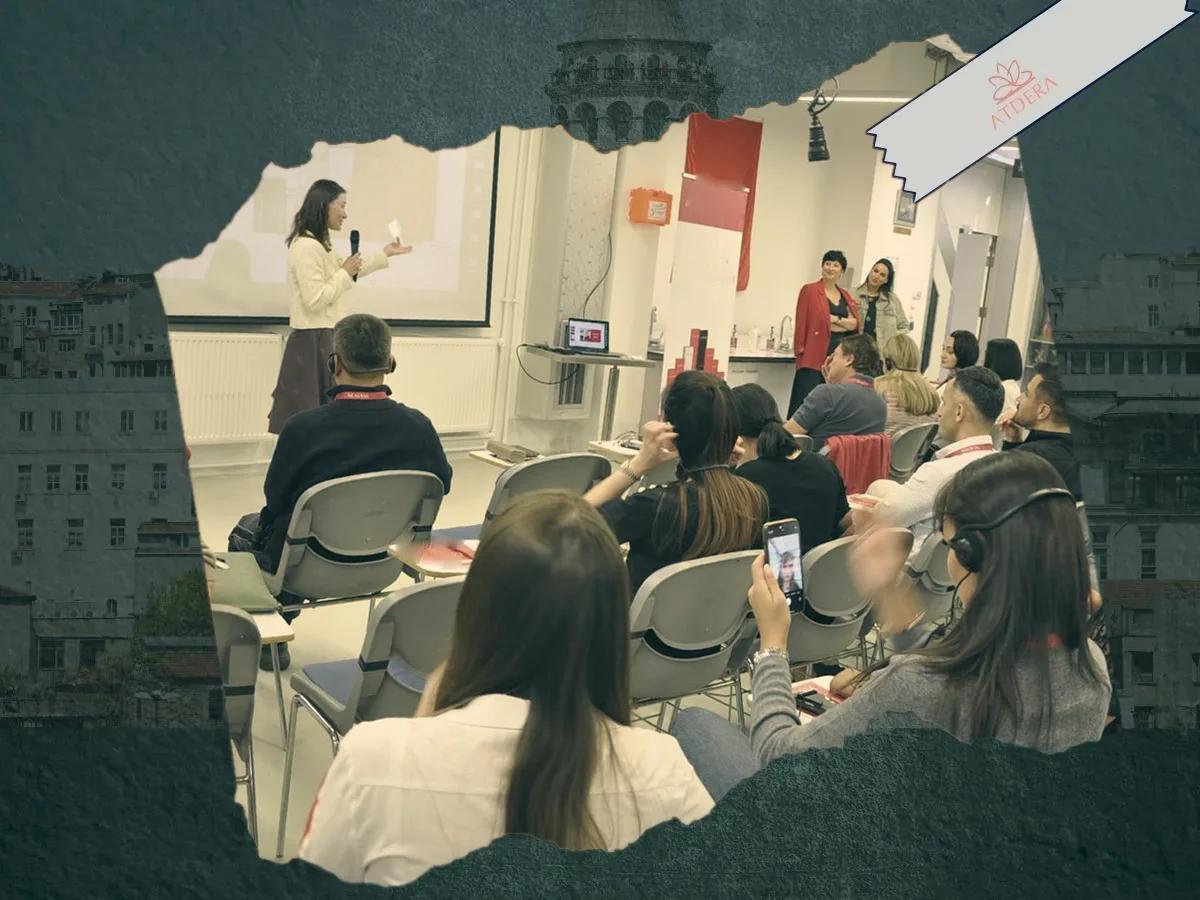
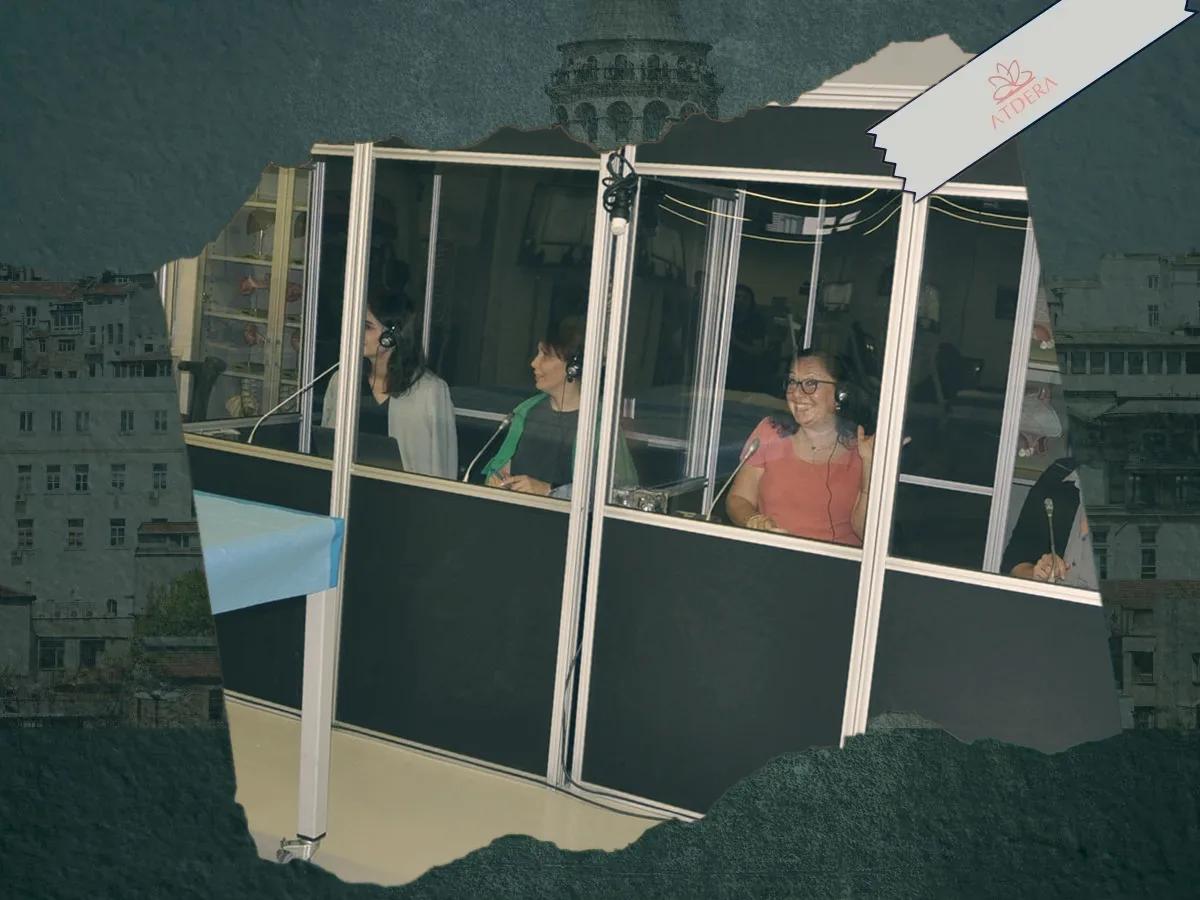
Photographs from previous cadaveric courses led by the course director.


Certification
Certificates are issued on completion of the assessed programme, not on attendance. A 25-item examination, image-based and scenario-based, pass mark 70 per cent, two attempts. Certificates are signed by the Course Director and the Director of ATDERA and carry a unique identifier verifiable at atdera.com/verify. ATDERA Global Limited is a Registered CPD Provider with the CPD Review Board — formerly the CPD Standards Board — under provider accreditation OGNOK8QASVG73, and the certificate is issued as CPD. This programme confers knowledge-based professional development; it does not certify procedural competence.

Certificate of Completion
Dr. A. Example
Facial Anatomy Live · 7 November 2026
ATD-XXXX-XXXX-XXXX
Certificate verified
Admission is by professional declaration; your place is confirmed only on enrolment.
Enrolment
£395
Live day, 90-day chaptered replay, Annotated Atlas, Faculty Q&A, examination and certification. Enrolled separately, the components total £450
£245
The live day, reader, baseline self-assessment, advance question submission, 7-day replay, Confirmation of Attendance
£95
90-day replay, Annotated Atlas, Faculty Q&A. Requires Live Day; added after the day
£110
Examination, certificate, verification ID, credentialing letter on request, alumni community. Requires Live Day; added after the day
Fees are stated once and do not change with countdowns. Components may be added until day 7 after the live day.
Employer invoicing is available for clinics enrolling three or more clinicians: write to hello@atdera.com.
Admission
FAQ
Physicians practising medical aesthetics, dentists, and health professionals holding verified injectable authority in their country of practice. Applications close 2 November.
Attendance is logged; certification requires 90 per cent verified attendance. Replay access: 7 days with Live Day, 90 days with the Full Programme.
The Joint Laboratory of TunaliS Anatomy Institute, Ankara.
Card, Apple Pay, Google Pay and Link at checkout, in GBP. Employer invoicing for three or more seats.
A 14-day cooling-off period from payment while the teaching day is more than 14 days away; within 14 days of the day, one transfer to the next edition. If verification cannot be completed after payment, a full refund.
It teaches the anatomy technique depends on. It does not certify procedural competence.
Yes. Every certificate carries an identifier that can be checked at atdera.com/verify.
Yes. ATDERA Global Limited is a Registered CPD Provider with the CPD Review Board (provider accreditation OGNOK8QASVG73), and the assessed certificate is issued as CPD. Certification requires passing the examination and completed document verification.
A question the FAQ does not answer? Message us on WhatsApp →
From ATDERA Insights
Application
Applications close 2 November. The day is 7 November.
Prefer not to fill the form? Message us on WhatsApp and we will take your application from there. →