
Patient safety before teaching goals
Live patients are never treated as teaching material: clinical pre-screening, separate consents, a named responsible clinician and a stop-the-line culture apply to every station.

ATDERA Selective Clinical Education
Botulinum Toxin · Dermal Fillers · Mesotherapy · Biostimulators (CaHA/PLLA)
A three-day, English-language medical aesthetics course for registered healthcare professionals and qualified aesthetic practitioners: around six hours of guided pre-learning, 24 hours of face-to-face teaching, and structured rotations across simulation and supervised live-patient stations — in London, 6–8 November 2026.
Application first. Payment is requested only after written acceptance.
Response within three business days · No payment at application
A Structured Entry Into Medical Aesthetics
The programme is a structured start to safe clinical reasoning, correct patient selection, complication awareness and supervised skills development — moving from a shared clinical foundation to intermediate-level decision-making across four injectable modalities.
Live patients are never treated as teaching material: clinical pre-screening, separate consents, a named responsible clinician and a stop-the-line culture apply to every station.
Three groups of four rotate across simulation, supervised live-patient and case-planning stations — with no more than one clinical supervisor per four participants.
A 30-question knowledge test, a safety-critical OSCE and a documented practice log lead to an individual development plan for every participant.
Ready to build a supervised, patient-safety-first injectables practice?
Apply for academic reviewTraining Architecture
The curriculum joins anatomy, patient assessment, ethical communication, injection science, product selection and complication recognition with follow-up — across four modality modules taught with product-independent science.
Pharmacology, storage and reconstitution, dynamic anatomy and dose–placement logic, complication recognition and follow-up scenarios.
Day 1 · shared foundation to personalised planning
Rheology and product selection, needle and cannula work, tissue planes, vascular safety and complication management from planning to aftercare.
Day 2 · planning to complication management
Evidence literacy, sterile product standards, intradermal technique and infection-risk assessment for skin-quality indications.
Day 3 · evidence-based technique
Mechanisms of action, patient selection, preparation and product instructions, tissue planes and delayed adverse-event planning for collagen-stimulating injectables.
Day 3 · comparative biostimulation moduleApplications are reviewed on a rolling basis and close when the cohort is full. No payment is requested at application.
Cohort: London, 6–8 November 2026.
Programme
The schedule below is the working programme for the London cohort, 6–8 November 2026. Minor operational changes may be made without changing the educational scope.
Clinical training facility, London · confirmed to accepted applicants
Friday, 6 November 2026
Saturday, 7 November 2026
Sunday, 8 November 2026
Every simulation and supervised practical session above is included for all 12 participants.
Apply for academic reviewFaculty
The Clinical Lead and Scientific Programme Lead design and deliver the programme together; the wider clinical faculty pool is confirmed per cohort so that live-patient supervision never exceeds one supervisor per four participants.

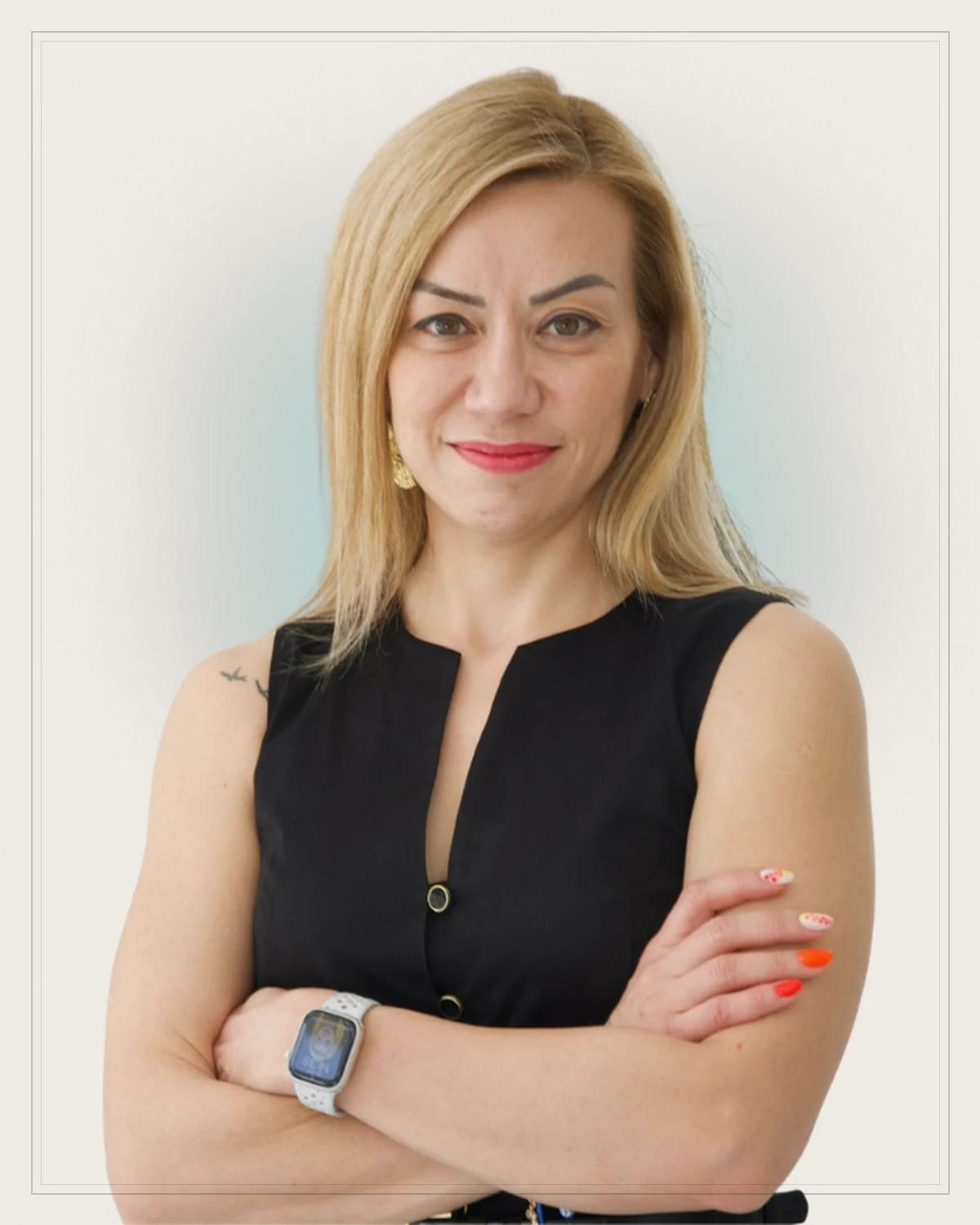
Train in a 12-place cohort under named clinical leadership.
Apply for academic reviewTraining in Practice
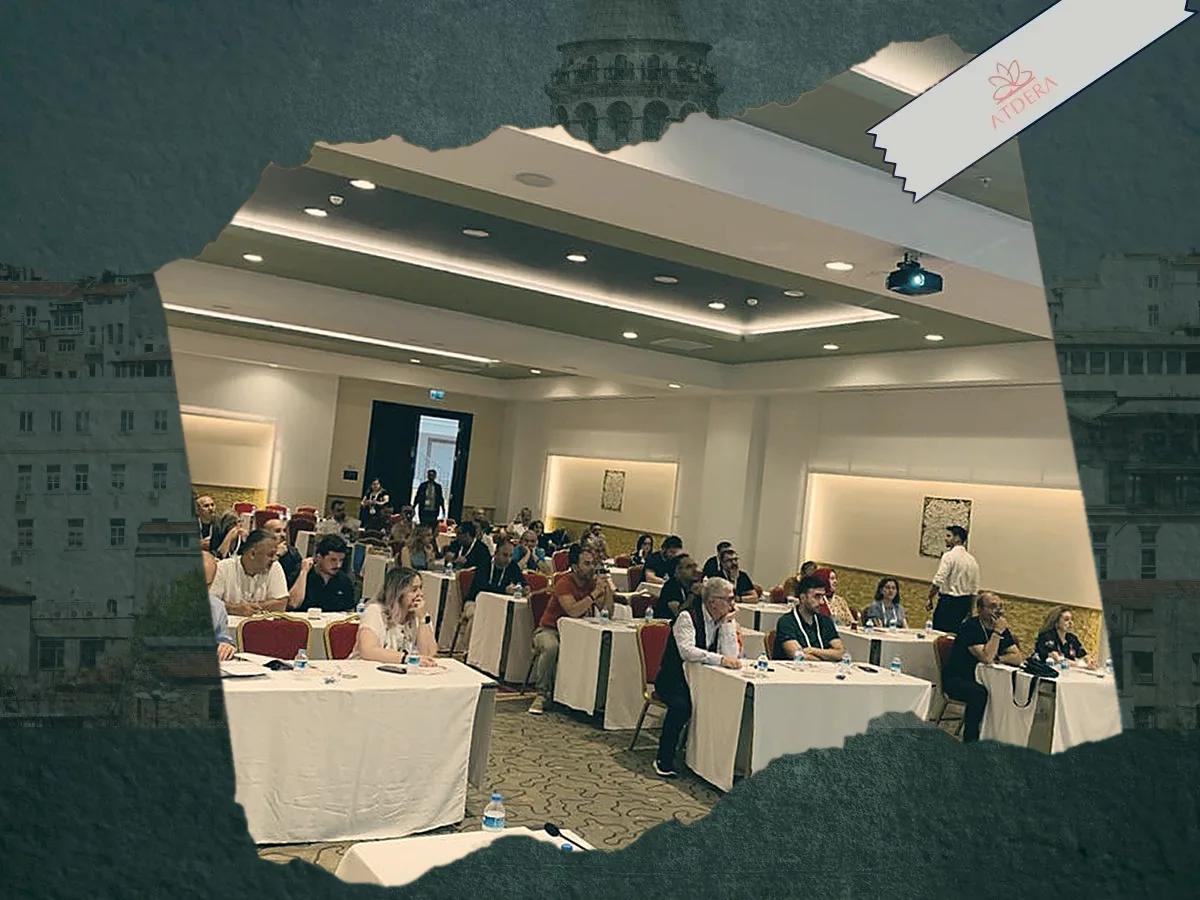
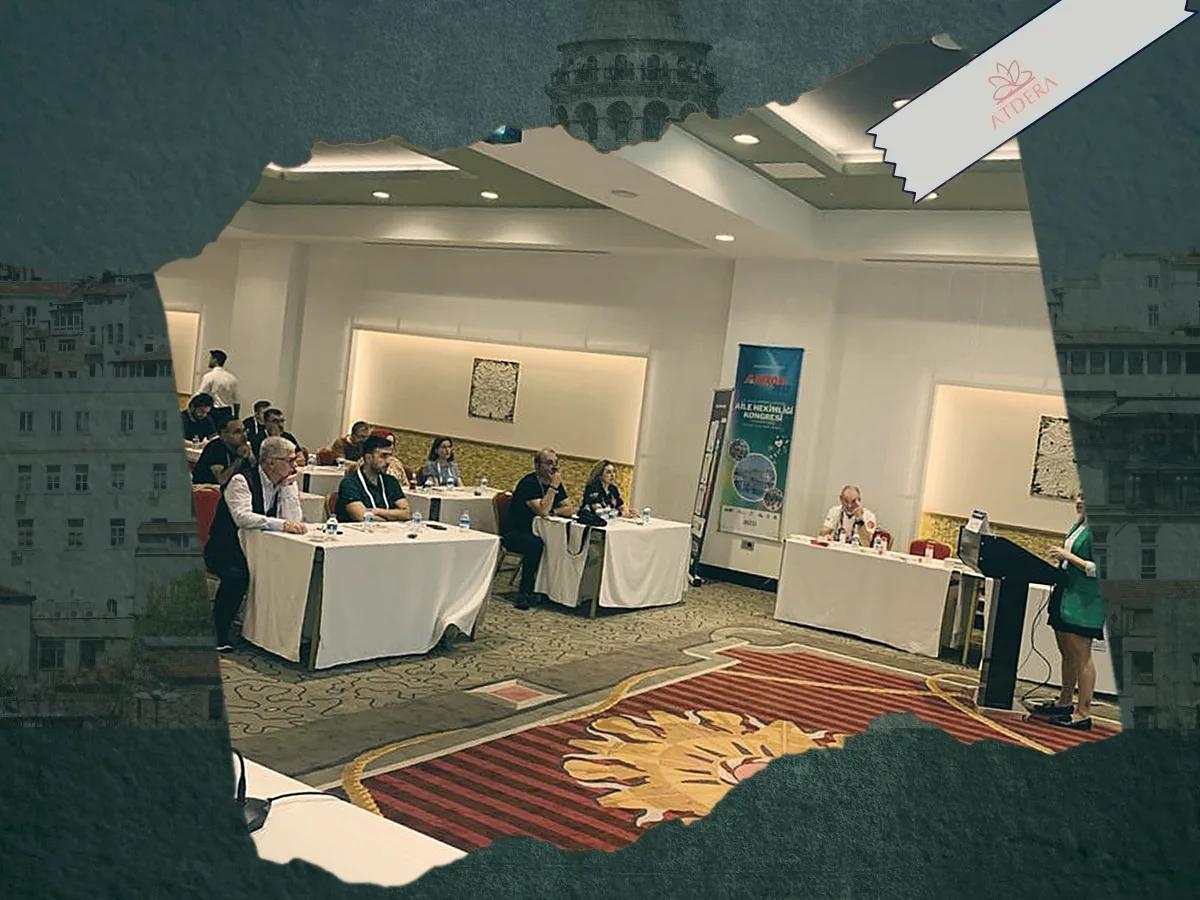
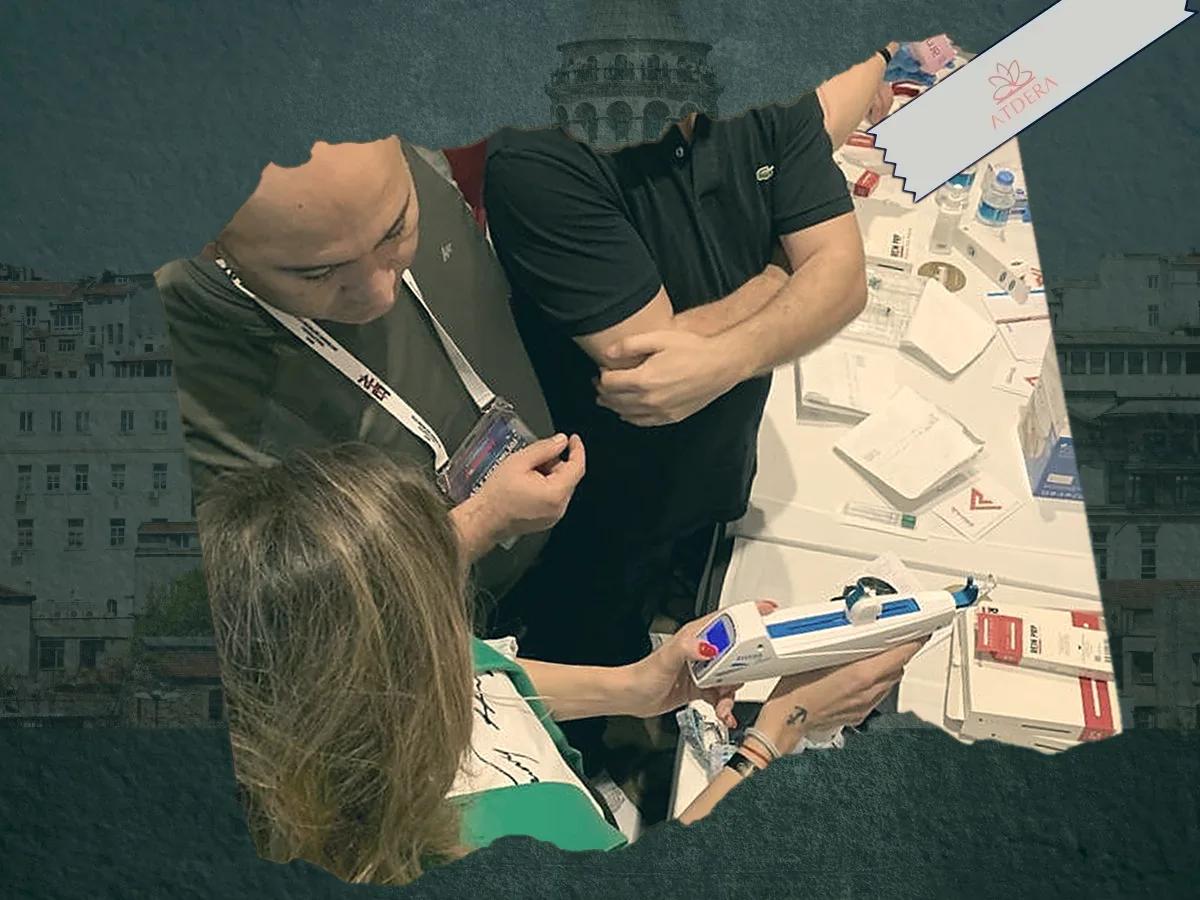
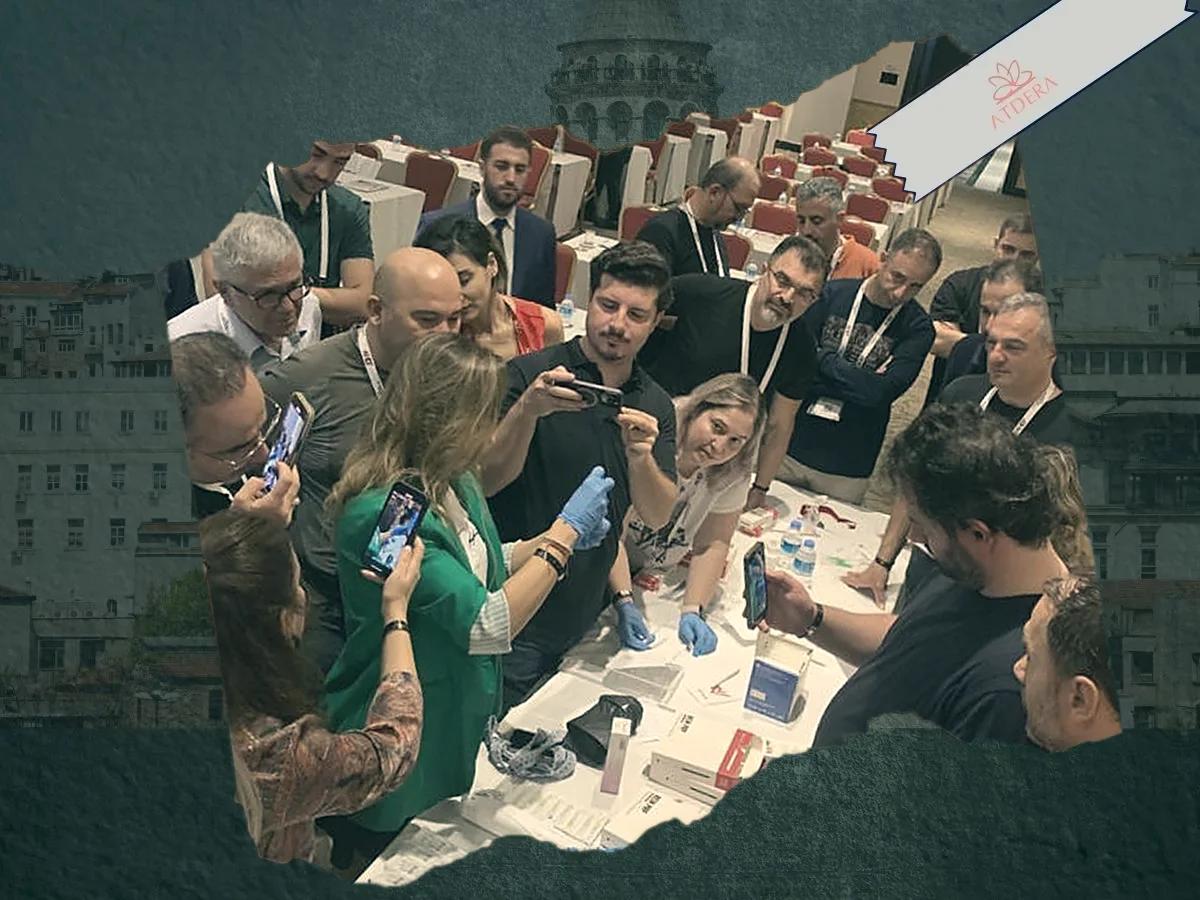
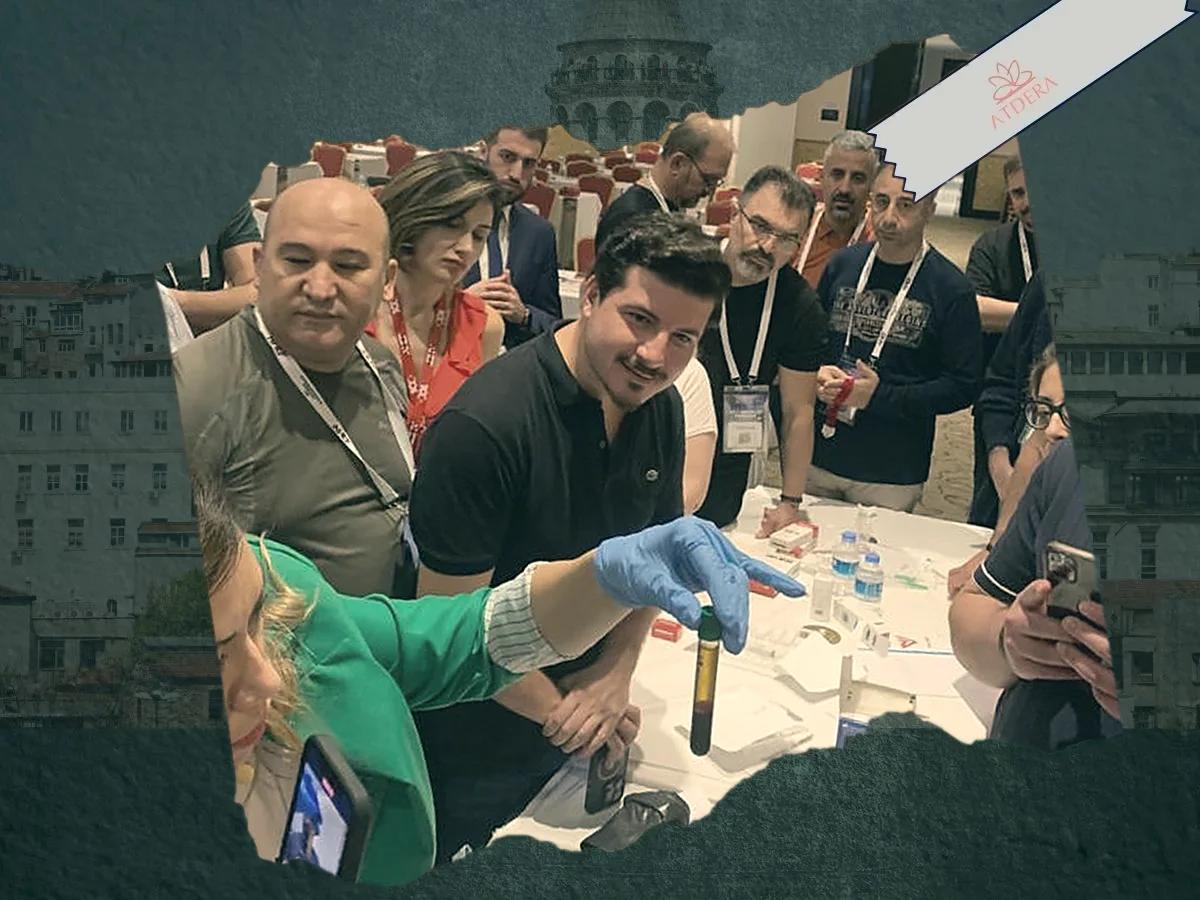
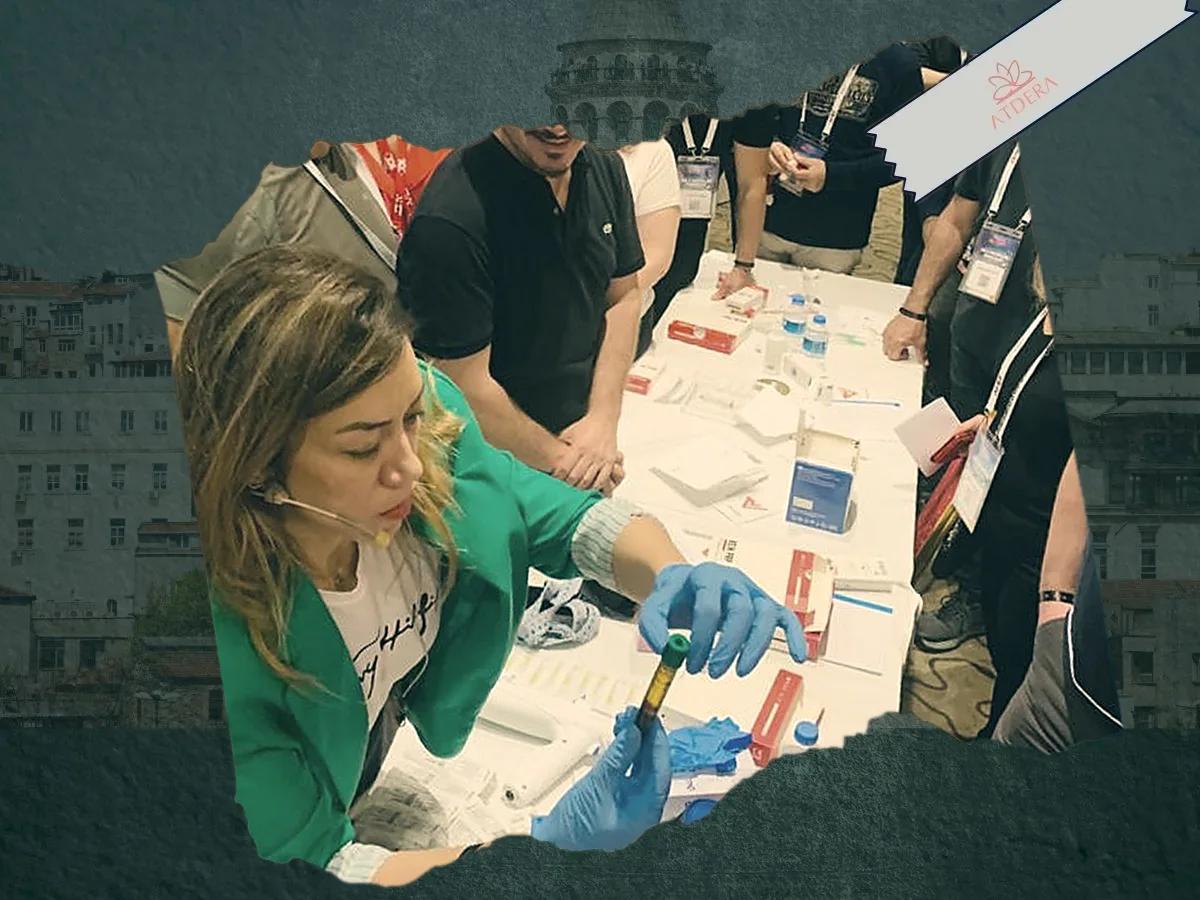
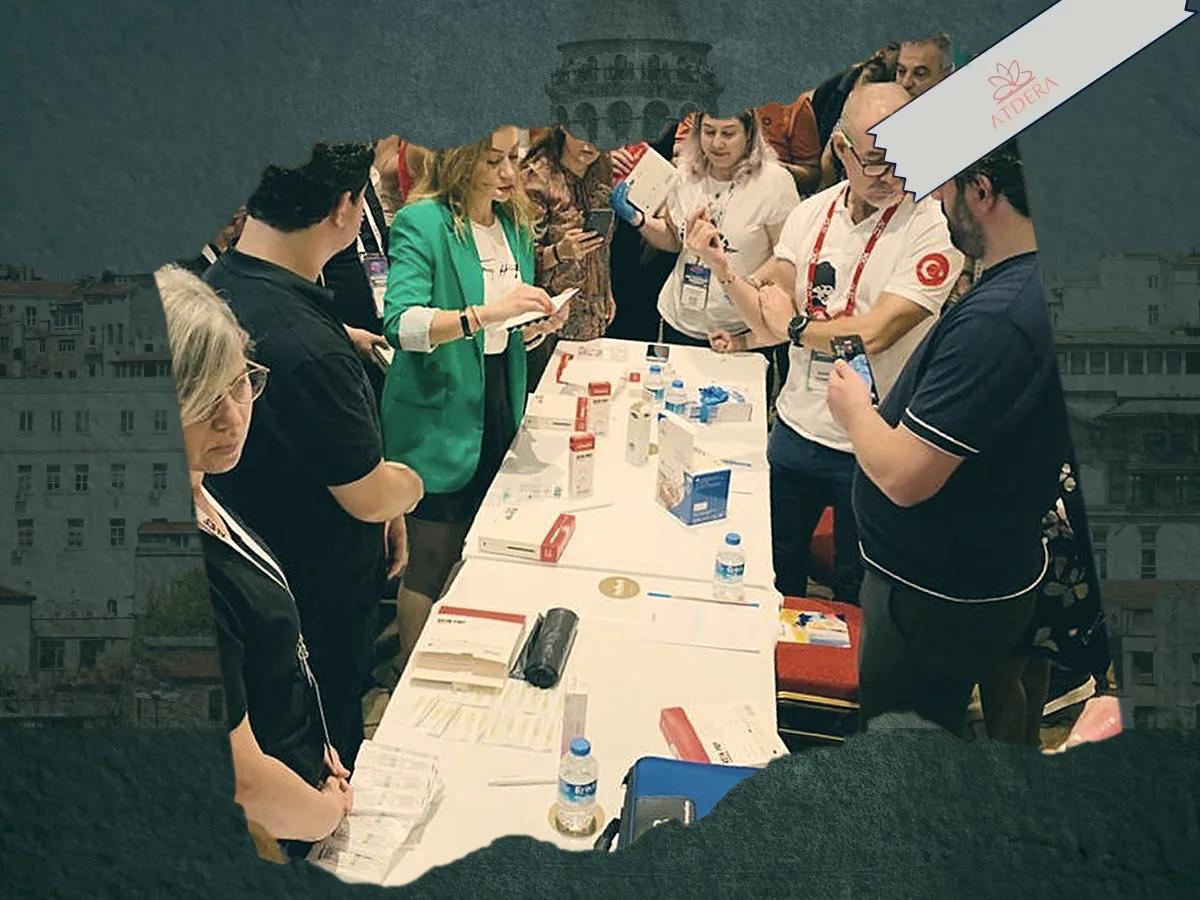
Photographs from previous training programmes led by the course faculty.


Who Should Apply
Admission is open to the professional groups below, subject to academic review. Botulinum toxin is a prescription-only medicine in the UK: participants who are not independent prescribers practise it under a prescriber's authority, and the programme is structured accordingly.
The certificate's official title and any CPD allocation are finalised by the faculty and communicated to applicants before enrolment.
If this matches your profession and practice, submit your application for review.
Apply for academic review
Training Venues
Live injectable teaching is never delivered in an ordinary conference room. The cohort runs in a clinical-standard facility: hand-hygiene infrastructure, sharps and clinical-waste management, private treatment and recovery areas, locked product storage with cold-chain control, and emergency readiness — with separate simulation and case-planning spaces.
London cohort · 6–8 November 2026 — venue to be announced to accepted applicants.Accommodation and local transfer arrangements can be requested separately through the programme office after acceptance.
Explore ATDERA medical educationVenue details are confirmed to accepted applicants — apply to receive them with your acceptance.
Apply for academic reviewCohorts & Fees
The programme fee is confirmed to applicants during academic review, before any payment is requested. Fees are collected in GBP; lunch and coffee breaks are included on programme days.
6–8 November 2026
On applicationGBP · confirmed during academic review
12 clinical places · simulation and supervised live-patient rotations
Choose this cohortCompletion requires full attendance, at least 80% in the knowledge test, success in every safety-critical OSCE item and a documented supervised live-patient role. Missed components follow a defined remediation route.
Participants who complete all components receive a certificate of completion. Its official title, issuing wording and any CPD allocation are finalised by the faculty and shared with applicants before enrolment.
Cancellation and refund conditions follow the ATDERA Terms of Use.
Submit your application, receive the fee and the cohort confirmation in writing, then decide. Places are confirmed only after written acceptance.
12 places · GBP · lunch and coffee breaks included
Essential Information
Doctors, dentists, nurses, nursing associates, dental nurses, dental hygienists, pharmacists, paramedics, physiotherapists and aesthetic practitioners holding NVQ Level 3 in Beauty Therapy or above. Every application goes through academic review; participants who are not independent prescribers work with botulinum toxin under a prescriber's authority.
Yes. The programme is designed as a foundation-to-intermediate pathway: it starts from shared clinical foundations and builds to intermediate-level decision-making. A learning-needs form aligns the rotations with your current stage.
Yes, under direct supervision. Groups of four rotate across simulation, supervised live-patient and case-planning stations, with no more than one clinical supervisor per four participants. Each participant's supervised role is documented in a practice log.
Botulinum toxin, hyaluronic acid dermal fillers, mesotherapy and CaHA/PLLA biostimulators — taught with generic, product-independent science. The specific training products are confirmed by the faculty before each cohort.
Completion requires full attendance, at least 80% in the 30-question knowledge test, success in every safety-critical OSCE item and a documented supervised live-patient role. Missed components follow a defined remediation route.
A certificate of completion is issued once all components are met. Its official title, issuing wording and any CPD allocation are finalised by the faculty and communicated to applicants before enrolment.
A valid BLS / Immediate Life Support certificate, the pre-learning modules on infection control, anaphylaxis and sharps safety, a professional CV with a learning-needs form, and the participant agreement.
Yes. The 2026 edition runs once, in London on 6–8 November 2026, taught in English. Further cohorts are announced on this page when confirmed.
A question the FAQ does not answer?Ask the programme office on WhatsApp
Ask the programme office anything on WhatsApp, or submit your application now — it is reviewed within three business days and nothing is paid until you are accepted.
Application
Submit a concise professional application and select your preferred cohort. The programme office aims to respond within three business days.
Applications reviewed on a rolling basis · the cohort is capped at 12 participants
From ATDERA Insights
London 6–8 Nov 2026 · 12 places