
Зарегистрировано в ЛондонеРаботаем в ТурцииНазванные партнёры4 языка

Dental Observership Programme 1, 2, or 3-Week Clinical Training in Turkey.

Structured chair-side observership across implant surgery, aesthetic dentistry, and orthodontics with verified partner clinicians at high-volume international-patient practices in the ATDERA Care Network.

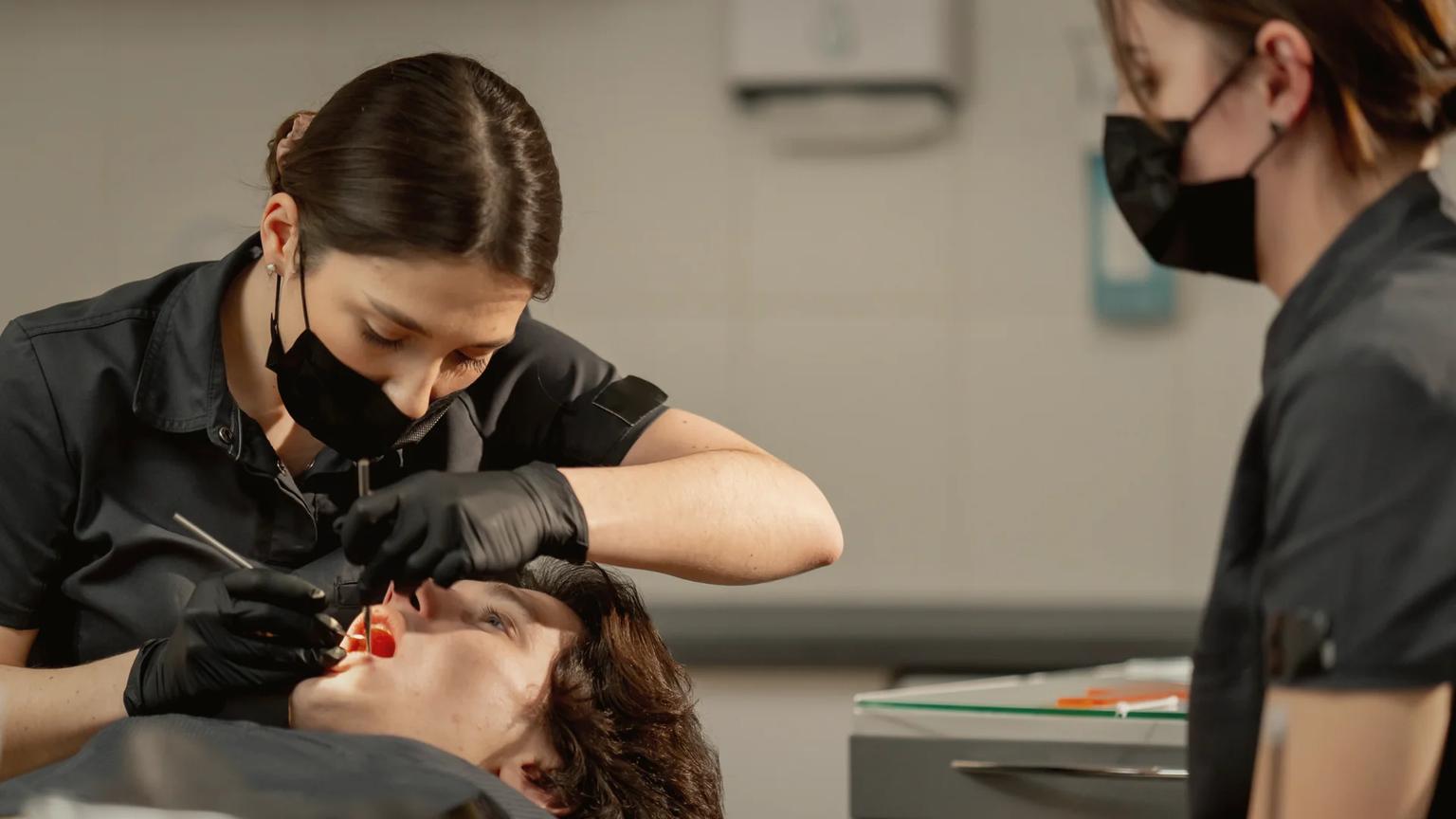
Clinical observership scene at an ATDERA Care Network partner facility — chair-side training session with verified partner clinician

Programme Durations

Three structured durations are offered. Each is reviewed individually at application and confirmed once partner-facility availability is aligned with the observer’s preferred specialty track. Programme fees are confirmed at the scheduling stage.

Introductory

1 Week

Programme outcome

An orientation in high-volume international-patient dentistry: chair-side observation across one of the three specialty tracks, with structured case-review sessions at the end of each clinical day.

Best fit

Early-career dentists in the first three to five years of independent practice, or generalists evaluating a fellowship route before committing to a longer programme.

What is covered

  • Single-track focus: implant, aesthetic, or orthodontic
  • Four chair-side observation days, one case-review and treatment-planning day
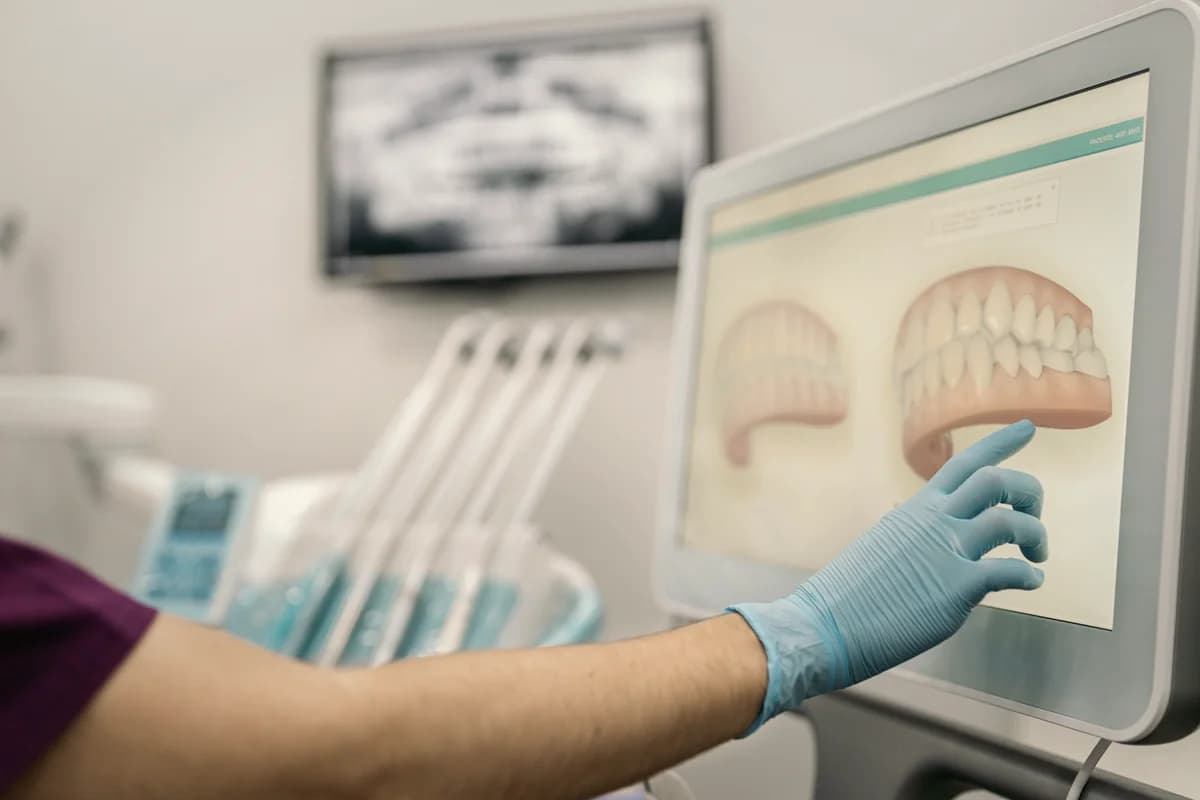
  • Introductory exposure to CBCT-led planning workflow
  • Clinical-photography and digital-workflow walkthrough
  • Certificate of attendance (1-week observership)
Intermediate

2 Weeks

Programme outcome

A structured intermediate programme covering one primary track in depth and a secondary track for cross-disciplinary context — full surgical lists, prosthetic try-ins, and orthodontic review appointments observed across the fortnight.

Best fit

Mid-career dentists planning to add an implant, aesthetic, or orthodontic capability to an existing private practice.

What is covered

  • Primary track in depth + secondary track exposure
  • Eight chair-side observation days, two case-review days
  • CBCT-planned guided implant surgery observation (where indicated)
  • Aesthetic try-in and digital-smile-design review sessions
  • Mid-programme treatment-planning workshop with the lead clinician
  • Certificate of attendance (2-week observership)
Comprehensive

3 Weeks

Programme outcome

A comprehensive cross-track placement covering implant, aesthetic, and orthodontic dentistry through a full clinical cycle — from initial consultation and case planning through surgery and prosthetic delivery.

Best fit

Fellowship-seeking practitioners and private-practice owners preparing to integrate full-arch rehabilitation, smile-design, or orthodontic services into their own clinic.

What is covered

  • All three tracks observed across the placement
  • Twelve chair-side observation days, three case-review days
  • Full-arch cases observed from CBCT planning through immediate-loading prosthesis fitting
  • Aesthetic case from preparation through cementation
  • Orthodontic review across multiple phases of treatment
  • End-of-programme case-portfolio review with the partner clinician
  • Certificate of attendance (3-week observership)

Specialty Tracks

The programme is structured around three specialty tracks led by verified partner clinicians. Observers select one track for the 1-week placement, a primary plus secondary track for the 2-week placement, and the full cross-track placement for the 3-week programme.

Implant surgery scene — guided surgical template and chair-side CBCT planning workflow

Implant Surgery

Dt. Mahmut Boran — Implantologist & Maxillofacial Surgeon

The implant track centres on full-arch rehabilitation and complex bone-management cases. Observers shadow the verified partner implantologist across CBCT-led surgical planning, guided implant placement, immediate-loading All-on-4 and All-on-6 protocols, and zygomatic implant techniques used where conventional augmentation is contraindicated.

Each surgical day opens with planning review on a calibrated CBCT workstation, followed by chair-side observation in the surgical theatre. The fortnight cadence allows the observer to follow a single full-arch case from initial planning through provisional prosthesis delivery, with structured discussion on flap design, primary stability assessment, and prosthetic emergence profile.

Implant-prosthetic handover is observed where the placement and prosthetic phases overlap inside the placement window — a sequence that shows how the surgical and restorative dentists communicate around a shared patient.

Case-types observed

  • Single-tooth implant placement, anterior and posterior
  • All-on-4 and All-on-6 immediate-loading full-arch surgery
  • Zygomatic implant placement for severe maxillary bone resorption
  • CBCT-planned guided surgery using fully and partially guided templates
  • Bone grafting and sinus-lift procedures (where indicated)
  • Implant-prosthetic handover and provisional prosthesis fitting
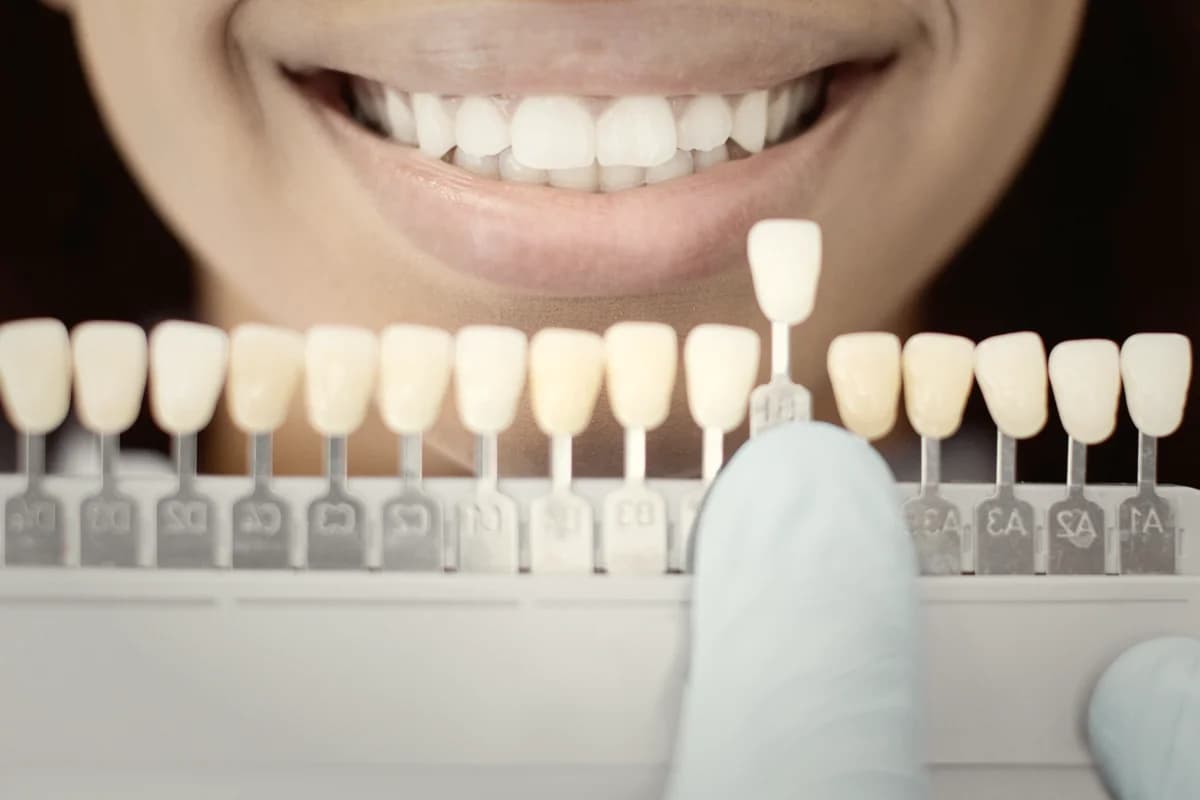
Aesthetic dentistry scene — veneer preparation stage at the chair-side workflow

Aesthetic Dentistry & Smile Design

Dt. Ali Kılıç — Aesthetic Dentist & Medical Manager

The aesthetic track follows a digital smile-design workflow from initial photography and intra-oral scanning through provisional mock-up, preparation, try-in, and final cementation. Observers shadow the verified partner clinician across full-mouth aesthetic redesigns, single-quadrant veneer cases, and bonding-led conservative aesthetic interventions.

Material selection is discussed case-by-case — the rationale for IPS e.max lithium disilicate over zirconia, the indications for laminate veneers over full-coverage crowns, and the role of preparation depth in soft-tissue response. Chair-side observation is paired with laboratory-side time at the partner facility's in-house ceramics workflow where scheduling permits.

The track covers aesthetic-bonding procedures and gummy-smile correction alongside the more familiar veneer pathway, giving observers exposure to the conservative-end of the aesthetic continuum that is often underweighted in commercial smile-design training.

Case-types observed

  • Full-arch aesthetic rehabilitation with e.max veneers
  • Single-quadrant zirconium and laminate veneer cases
  • Direct aesthetic bonding for conservative correction
  • Gummy-smile treatment via gingivectomy or crown-lengthening
  • Digital smile-design workflow from photograph to mock-up
  • Try-in, occlusal verification, and final cementation
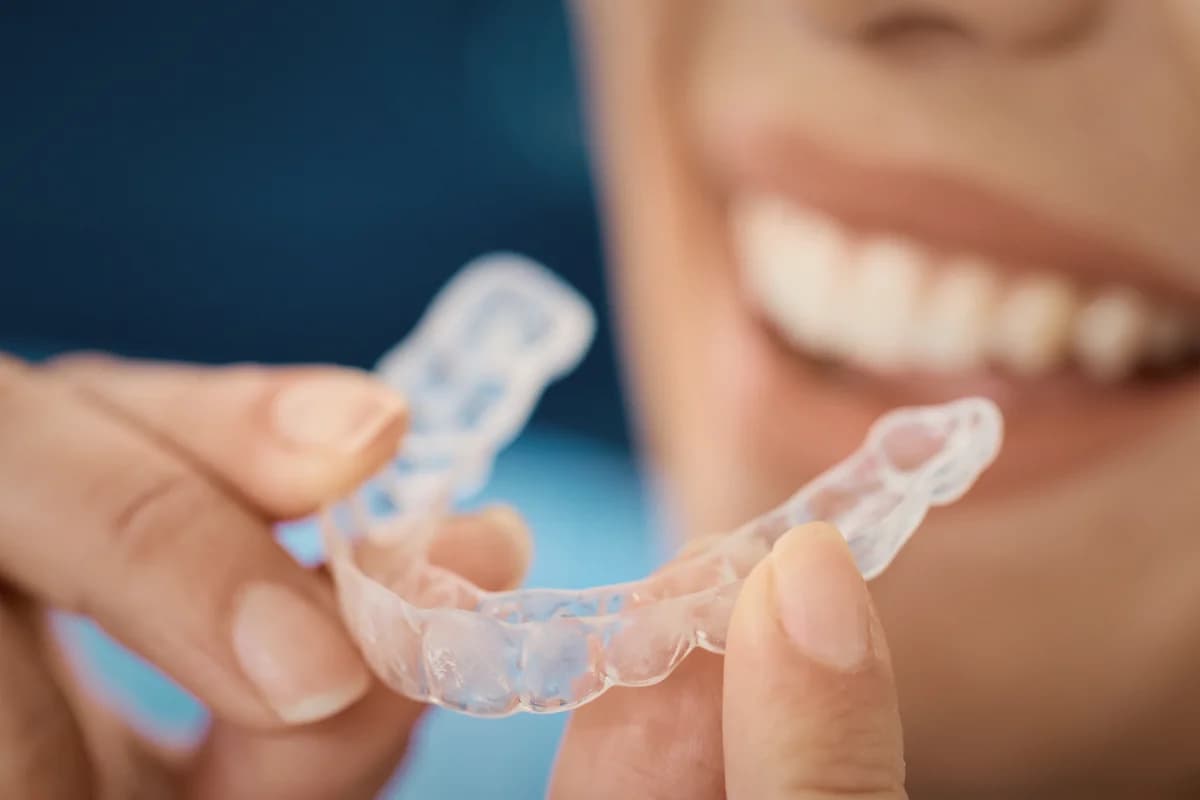
Orthodontic case-review scene — clear aligner records and treatment-planning workflow

Orthodontics

Dr. Dt. Hasan Çınarcık — Orthodontic Specialist (PhD)

The orthodontic track is led by a PhD-credentialled orthodontic specialist with a doctoral focus on complicated cases including mandibular prognathism. Observers shadow new-patient consultations, mid-treatment review appointments, and aligner-replacement reviews across the active patient list, with structured discussion on diagnosis, biomechanical planning, and case-stratification.

Aligner therapy is shown across both the conventional clear-aligner workflow and the shape-memory aligner system used at the partner facility. Non-surgical maxillary expansion and compensatory orthodontic mechanics for skeletal Class III patterns are discussed with reference to the orthodontist's published clinical work.

The orthodontic track is observation-only by design — the timeframe between patient appointments lends itself to case-review and treatment-planning discussion rather than continuous chair-side time. Observers spend a structured share of the schedule on records-review and 3D-planning software walkthroughs.

Case-types observed

  • New-patient orthodontic consultation and records
  • Conventional clear-aligner case planning and progress review
  • Shape-memory aligner workflow and case selection
  • Non-surgical maxillary expansion in growing and adult patients
  • Mandibular prognathism compensation through orthodontic mechanics
  • Mid-treatment review and refinement-aligner planning

Faculty

The programme is delivered by three verified partner clinicians from the ATDERA Care Network. Each clinician leads a specialty track and is the chair-side host for observers on that track. Written consent for public listing is on file for every named clinician below.

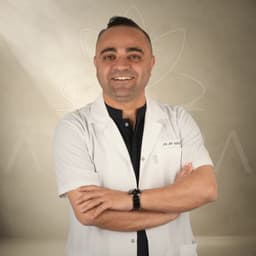
Portrait of Dt. Ali Kılıç, Aesthetic Dentist & Medical Manager

Dt. Ali Kılıç

Aesthetic Dentist & Medical Manager

Aesthetic Dentistry & Smile Design

  • DDS
  • Postgraduate Surgical & Aesthetic Dentistry, Radboud University
  • ATDERA Care Network — Turkey partner facility
  • ~13 лет опыта
  • EN · TR
Portrait of Dt. Mahmut Boran, Implantologist & Maxillofacial Surgeon

Dt. Mahmut Boran

Implantologist & Maxillofacial Surgeon

All-on-4 Implant Surgery

  • DDS
  • ATDERA Care Network — Turkey partner facility
  • ~11 лет опыта
  • EN · TR
Portrait of Dr. Dt. Hasan Çınarcık, Orthodontic Specialist (PhD)

Dr. Dt. Hasan Çınarcık

Orthodontic Specialist (PhD)

Complicated Orthodontic Treatments

  • DDS
  • PhD (Orthodontics)
  • ATDERA Care Network — Turkey partner facility
  • ~13 лет опыта
  • EN · TR

Programme Structure

The clinical day is structured around the partner facility’s surgical and treatment lists, with dedicated case-review intervals built into the schedule. The cadence below describes a standard observation day; surgical-day and aesthetic-day variants follow the same shape with track-specific content.

Typical clinical day

  1. 08:00

    Arrival and pre-clinical briefing

    Observer arrives at the partner facility, collects scrubs, and joins the pre-clinical briefing. The lead clinician reviews the day's surgical or treatment list and assigns observation roles for each scheduled patient.

  2. 09:30

    Chair-side observation — morning list

    Observation begins with the first scheduled patient. The observer maintains a structured note template covering case presentation, intervention sequence, and clinical decision-points for retrospective review.

  3. 11:00

    Mid-morning case discussion

    Short structured interval between patients for the lead clinician to discuss the morning case in detail. Where CBCT or digital records are available, the discussion is anchored at the planning workstation.

  4. 14:00

    Afternoon clinical list

    Continued chair-side observation of the afternoon list. On surgical days, this is the primary placement or full-arch surgery window; on aesthetic days, this is the preparation or cementation block.

  5. 16:00

    End-of-day debrief and case-record review

    Closing debrief covers the day's clinical learning points, unanswered observer questions, and any patient-records review the observer has prepared. Case discussion can extend into a follow-on session for longer cases.

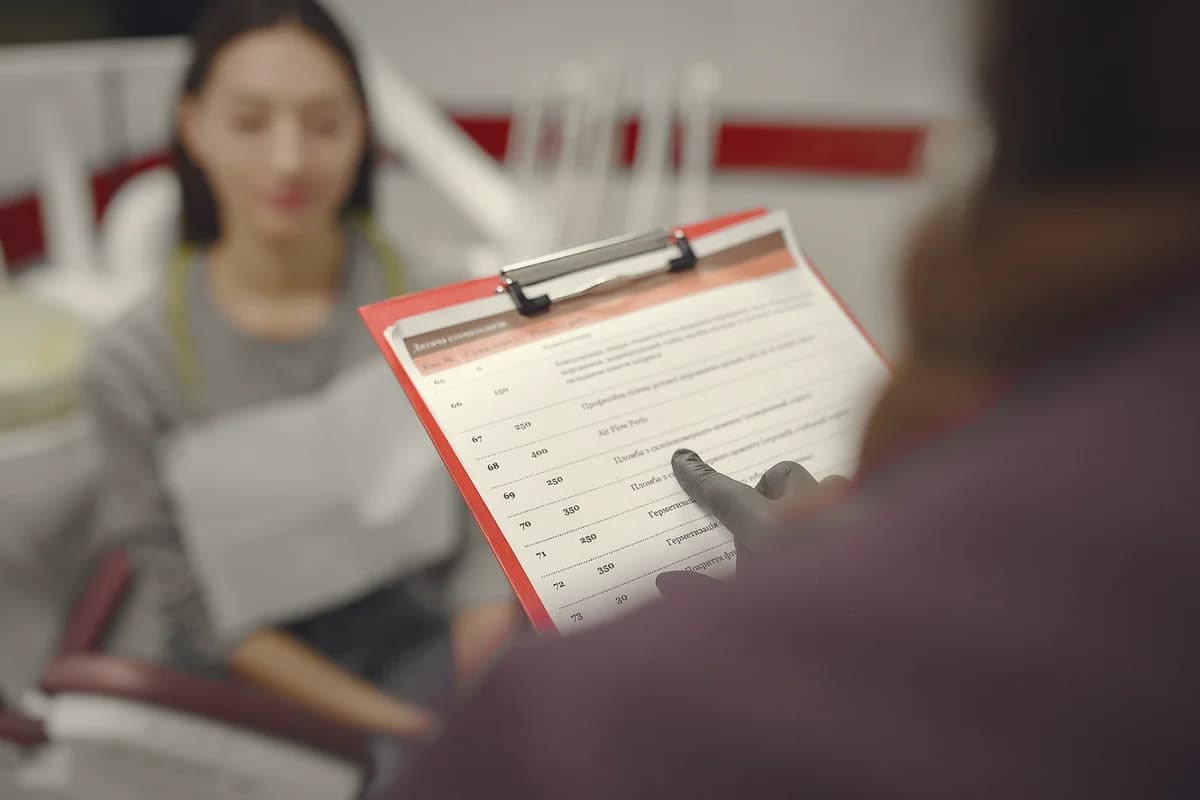
Clinical training session — case-review and digital-records walkthrough at the partner facility

Weekly schedule overview

Chair-side clinical days

Four to five days per week of chair-side observation across the chosen specialty tracks, scheduled around the partner clinician's surgical and treatment lists.

Case-review and planning sessions

Dedicated half-day sessions for retrospective case review, CBCT and digital-records walkthrough, and treatment-planning discussion with the lead clinician.

Treatment-planning workshop (2- and 3-week tracks)

Structured workshop block where the observer presents a case from their own practice and the lead clinician walks through the diagnostic and planning logic alongside ATDERA Care Network protocols.

Application & Eligibility

Each application is reviewed individually by the ATDERA coordination team alongside the relevant partner clinician. The criteria below are baseline; additional information may be requested during review depending on the track and duration applied for.

Eligibility criteria

  • Qualified DDS, BDS, or equivalent primary dental qualification
  • A minimum of two years of independent clinical practice
  • Professional indemnity insurance covering international observation
  • Working clinical English proficiency (CEFR B2 or higher)
  • Current professional registration with the home-jurisdiction regulator

Application process

  1. Submit the pre-consultation intake form. Capture contact details, qualification, years of practice, preferred track and duration.
  2. Provide a current CV and two professional references. Requested after the initial form is reviewed.
  3. Eligibility review. Application reviewed by the coordination team and the lead partner clinician for the requested track.
  4. Scheduling and confirmation. Placement window proposed and confirmed against partner-facility availability; programme fee and start date confirmed in writing.

What is included

  • Chair-side observation across the selected specialty tracks
  • Structured case-review and treatment-planning sessions
  • Access to CBCT and digital-records workstations during observation
  • Written case-summary materials where consent permits
  • Certificate of attendance issued at end of placement

What is separate

  • International travel and visa arrangements
  • Accommodation and ground transfers in Turkey
  • Professional indemnity insurance covering the placement
  • Personal study materials, textbooks, or clinical-skills equipment

ATDERA’s coordination team can support travel scheduling around confirmed placement dates without contracting on the observer’s behalf.

Programme fee

Programme fees are confirmed at the scheduling stage. ATDERA does not publish a public price list — fees vary by duration, the chosen specialty track, and partner-facility availability. The fee is set in writing before any travel commitment is taken.

Frequently Asked Questions

ATDERA GLOBAL LIMITED (Companies House #17173428, registered in England and Wales) is a UK-registered international healthcare coordination organisation. The Dental Observership Programme is delivered through the ATDERA Care Network of partner facilities in Turkey.

Begin your application

Submit the pre-consultation intake form and the ATDERA coordination team will respond with the next steps, typically within two working days.

Begin your application