

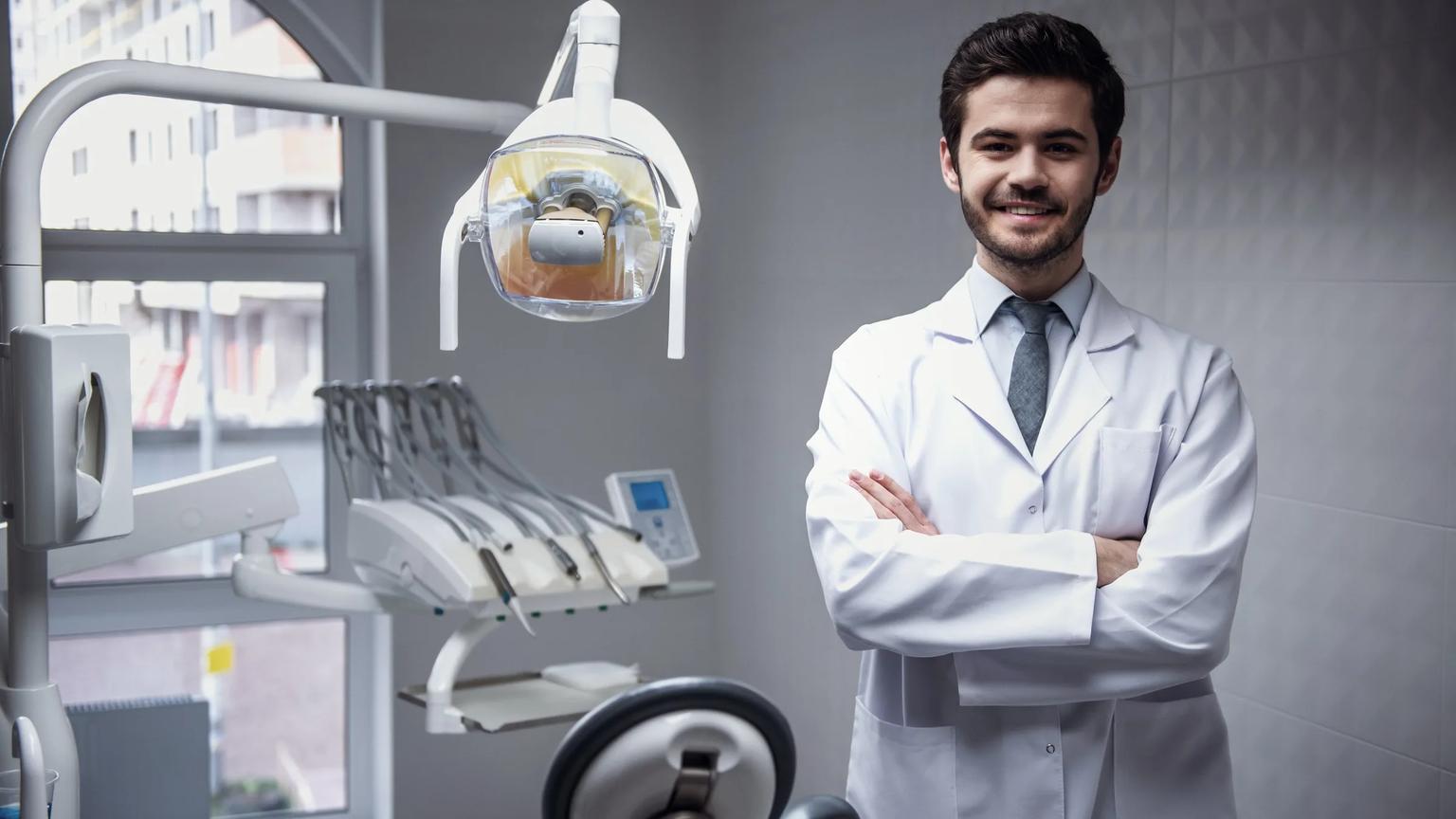
Why do international dentists pursue a dental observership in Turkey?
International dentists pursue a structured dental observership in Turkey to observe high procedural volume in implant, aesthetic, and orthodontic work within a defined, supervised period. For a practising dentist, the value of an observership is proportional to caseload density: the number of full-arch rehabilitations, guided implant placements, or digitally planned aesthetic cases a unit performs in a week determines how much can be observed before the dentist returns to their own practice.
The General Dental Council and equivalent regulators expect dentists to maintain and develop their knowledge through verifiable activity. An honestly documented observership supports that record. It is not accredited training and does not authorise the dentist to practise in Turkey — it is structured exposure that the dentist applies, with their own judgement, within their own scope and jurisdiction.
What does each dental observership track let a dentist observe?
Each track lets a visiting dentist observe a single discipline under supervision: implant surgery, aesthetic and digital smile-design, or orthodontics. ATDERA coordinates the three shadowing tracks through partner dental units in Turkey, each supervised by a named partner dentist. A dentist selects a primary track during the case review; longer attachments can combine tracks where the partner unit's caseload supports it.
The implant surgery track centres on diagnostic planning from cone-beam CT, guided surgical templates, single and multiple implant placement, and full-arch protocols. The aesthetic and digital track centres on smile-design planning, preparation and provisionalisation for veneers and crowns, and the digital workflow from intra-oral scan to final restoration. The orthodontic track centres on case assessment, fixed and clear-aligner mechanics, and treatment-progress review. Each track is observation, with supervised assisting only where the partner dentist and patient consent and the host unit permits it.
- Implant surgery track: CBCT-led planning, guided templates, single/multiple placement, full-arch protocols.
- Aesthetic and digital track: smile-design planning, preparation and provisionalisation, intra-oral scan to final restoration workflow.
- Orthodontic track: case assessment, fixed and clear-aligner mechanics, progress review.
| Track | Planning and assessment | Clinical work observed | Workflow and protocols |
|---|---|---|---|
| Implant surgery | Diagnostic planning from cone-beam CT | Single and multiple implant placement | Guided surgical templates and full-arch protocols |
| Aesthetic and digital | Smile-design planning | Preparation and provisionalisation for veneers and crowns | Digital workflow from intra-oral scan to final restoration |
| Orthodontic | Case assessment | Fixed and clear-aligner mechanics | Treatment-progress review |
How is a one, two, or three-week dental attachment structured?
Duration follows the objective rather than a fixed tier. A one-week attachment suits a dentist validating a single technique or workflow before adopting it. A two-week attachment allows a fuller view of a track across varied case presentations. A three-week or longer attachment supports a documented, reference-backed period or a combined-track view where caseload allows. ATDERA matches duration to the stated objective during the case review.
A typical day pairs theatre or chairside observation with case-based discussion with the supervising partner dentist. A written objective set is agreed at the start, and the end-of-attachment certificate — issued under the agreement with the host institution and naming the supervising dentist, the track, the dates, and the scope — records what occurred. The certificate attests exposure and engagement; it is not a competency qualification.
What can and cannot a visiting dentist do during the attachment?
A visiting dentist without a Turkish dental licence observes, and may assist under the direct supervision of the partner dentist where the patient consents and the host unit permits, in a non-independent capacity. The visiting dentist does not act as the treating clinician, does not assume clinical responsibility for a patient, and does not practise independently — that requires Turkish licensure under national law, which an observership does not confer.
Stating this scope plainly protects the visiting dentist as much as the patient. A certificate that accurately attests observation and supervised assisting supports a CPD or training record without exposing the dentist to a misrepresentation risk before their own regulator. ATDERA confirms the scope in writing before travel for exactly this reason.
How does the dental observership connect to ATDERA's wider model?
The dental observership sits within ATDERA's medical-education programmes alongside the Advanced Dental Observership and the surgical observership routes. A dentist evaluating the attachment can review the programme structure on the dental observership page and the open-programmes hub, then submit a pre-application enquiry that opens the case review.
The companion guides in this cluster cover the application and document process, the observership-versus-fellowship distinction, and a checklist for evaluating any programme on its merits. Read together, they let an international dentist assess a Turkey attachment the way they would assess any structured clinical exposure: on scope, supervision, documentation, and accountability rather than on marketing.