

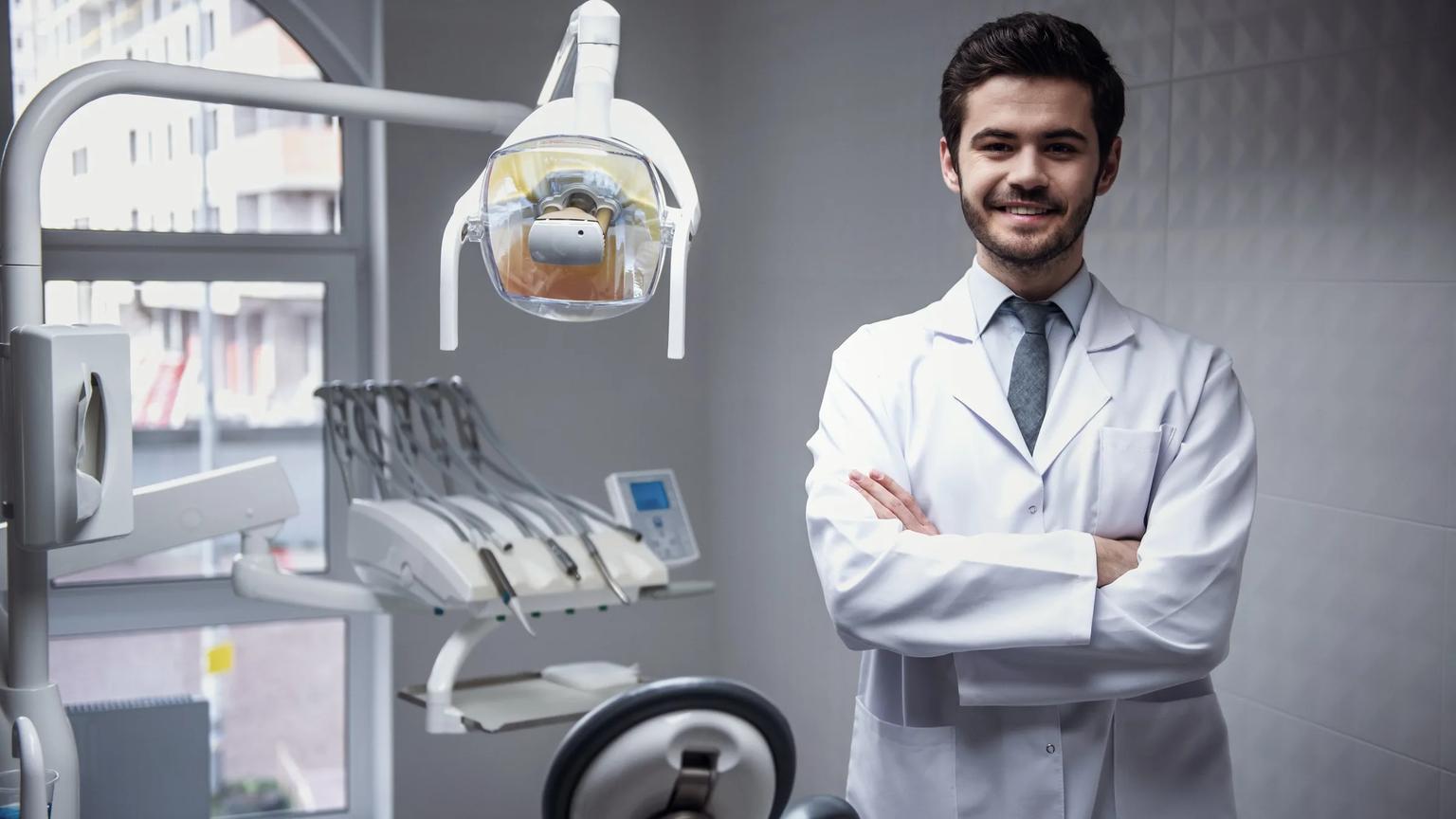
لماذا يسعى أطباء الأسنان الدوليون إلى الملاحظة السريرية في طب الأسنان في تركيا؟
يسعى أطباء الأسنان الدوليون إلى ملاحظة سريرية مُهيكلة في طب الأسنان في تركيا لمشاهدة حجم إجرائي مرتفع في أعمال زراعة الأسنان وطب الأسنان التجميلي وتقويم الأسنان ضمن فترة محددة وخاضعة للإشراف. فبالنسبة إلى طبيب أسنان ممارس، تتناسب قيمة الملاحظة السريرية طرديًا مع كثافة عبء الحالات: فعدد عمليات إعادة التأهيل الكاملة للقوس السني، أو عمليات زرع الغرسات الموجَّهة، أو الحالات التجميلية المخطَّطة رقميًا التي تُجريها الوحدة في أسبوع واحد هو ما يحدد مقدار ما يمكن ملاحظته قبل أن يعود طبيب الأسنان إلى ممارسته الخاصة.
يتوقع المجلس العام لطب الأسنان في المملكة المتحدة (General Dental Council) والجهات التنظيمية المماثلة أن يحافظ أطباء الأسنان على معارفهم ويطوّروها من خلال نشاط قابل للتحقق. والملاحظة السريرية الموثَّقة بأمانة تدعم هذا السجل. وهي ليست تدريبًا معتمدًا ولا تخوّل طبيب الأسنان ممارسة المهنة في تركيا — بل هي اطلاع مُهيكل يطبّقه طبيب الأسنان، وفق تقديره الخاص، ضمن نطاق ممارسته واختصاصه القضائي.
ماذا يتيح كل مسار من مسارات الملاحظة السريرية في طب الأسنان لطبيب الأسنان أن يلاحظ؟
يتيح كل مسار لطبيب الأسنان الزائر ملاحظة تخصص واحد تحت الإشراف: جراحة زراعة الأسنان، أو طب الأسنان التجميلي وتصميم الابتسامة الرقمي، أو تقويم الأسنان. وتنسّق ATDERA المسارات الثلاثة للمرافقة السريرية عبر وحدات طب أسنان شريكة في تركيا، يشرف على كل منها طبيب أسنان شريك مُسمّى. يختار طبيب الأسنان مسارًا رئيسيًا أثناء مراجعة الحالة؛ ويمكن للإلحاقات الأطول أن تجمع بين المسارات حيثما يسمح بذلك عبء الحالات في الوحدة الشريكة.
يتمحور مسار جراحة زراعة الأسنان حول التخطيط التشخيصي انطلاقًا من التصوير المقطعي المحوسب بالحزمة المخروطية (CBCT)، والقوالب الجراحية الموجَّهة، وزرع الغرسات المفردة والمتعددة، وبروتوكولات القوس الكامل. ويتمحور مسار طب الأسنان التجميلي والرقمي حول تخطيط تصميم الابتسامة، والتحضير والترميم المؤقت للقشور التجميلية (الفينير) والتيجان، وسير العمل الرقمي من المسح داخل الفم إلى الترميم النهائي. ويتمحور مسار تقويم الأسنان حول تقييم الحالات، وميكانيكا التقويم الثابت والمصفّفات الشفافة، ومراجعة تقدم العلاج. وكل مسار قائم على الملاحظة، مع مساعدة خاضعة للإشراف فقط حيثما يوافق طبيب الأسنان الشريك والمريض وتسمح بذلك الوحدة المضيفة.
- مسار جراحة زراعة الأسنان: تخطيط قائم على التصوير المقطعي بالحزمة المخروطية (CBCT)، وقوالب جراحية موجَّهة، وزرع مفرد ومتعدد، وبروتوكولات القوس الكامل.
- مسار طب الأسنان التجميلي والرقمي: تخطيط تصميم الابتسامة، والتحضير والترميم المؤقت، وسير العمل من المسح داخل الفم إلى الترميم النهائي.
- مسار تقويم الأسنان: تقييم الحالات، وميكانيكا التقويم الثابت والمصفّفات الشفافة، ومراجعة التقدم.
| المسار | التخطيط والتقييم | العمل السريري المُلاحَظ | سير العمل والبروتوكولات |
|---|---|---|---|
| جراحة زراعة الأسنان | التخطيط التشخيصي انطلاقًا من التصوير المقطعي بالحزمة المخروطية (CBCT) | زرع الغرسات المفردة والمتعددة | القوالب الجراحية الموجَّهة وبروتوكولات القوس الكامل |
| طب الأسنان التجميلي والرقمي | تخطيط تصميم الابتسامة | التحضير والترميم المؤقت للقشور التجميلية (الفينير) والتيجان | سير العمل الرقمي من المسح داخل الفم إلى الترميم النهائي |
| تقويم الأسنان | تقييم الحالات | ميكانيكا التقويم الثابت والمصفّفات الشفافة | مراجعة تقدم العلاج |
كيف يُنظَّم إلحاق طب الأسنان لمدة أسبوع أو أسبوعين أو ثلاثة أسابيع؟
تتبع المدة الهدف لا شريحة ثابتة. فالإلحاق لمدة أسبوع واحد يناسب طبيب أسنان يتحقق من تقنية واحدة أو سير عمل واحد قبل اعتماده. والإلحاق لمدة أسبوعين يتيح نظرة أوفى على مسار واحد عبر حالات متنوعة العرض. أما الإلحاق لثلاثة أسابيع أو أكثر فيدعم فترة موثَّقة مدعومة بخطاب مرجعي، أو نظرة تجمع بين المسارات حيثما يسمح عبء الحالات. وتوائم ATDERA المدة مع الهدف المعلن أثناء مراجعة الحالة.
يجمع اليوم النموذجي بين الملاحظة في غرفة العمليات أو بجانب الكرسي في العيادة وبين مناقشة قائمة على الحالات مع طبيب الأسنان الشريك المشرف. وتُتَّفق مجموعة أهداف مكتوبة في البداية، وتسجّل شهادة نهاية الإلحاق — الصادرة بموجب الاتفاق مع المؤسسة المضيفة والتي تُسمّي طبيب الأسنان المشرف والمسار والتواريخ والنطاق — ما جرى فعلًا. وتشهد الشهادة على الاطلاع والمشاركة؛ وهي ليست مؤهل كفاءة.
ما الذي يستطيع طبيب الأسنان الزائر فعله وما الذي لا يستطيعه أثناء الإلحاق؟
طبيب الأسنان الزائر غير الحاصل على ترخيص مزاولة طب الأسنان في تركيا يلاحظ، ويجوز له أن يساعد تحت الإشراف المباشر لطبيب الأسنان الشريك حيثما يوافق المريض وتسمح الوحدة المضيفة، بصفة غير مستقلة. ولا يتصرف طبيب الأسنان الزائر بوصفه الطبيب المعالج، ولا يتحمل مسؤولية سريرية عن مريض، ولا يمارس المهنة بشكل مستقل — فذلك يتطلب ترخيصًا تركيًا بموجب القانون الوطني، وهو ما لا تمنحه الملاحظة السريرية.
إن بيان هذا النطاق بوضوح يحمي طبيب الأسنان الزائر بقدر ما يحمي المريض. فالشهادة التي تشهد بدقة على الملاحظة والمساعدة الخاضعة للإشراف تدعم سجل التطوير المهني المستمر أو سجل التدريب دون تعريض طبيب الأسنان لخطر التحريف أمام جهته التنظيمية. ولهذا السبب تحديدًا تؤكد ATDERA النطاق كتابةً قبل السفر.
كيف ترتبط الملاحظة السريرية في طب الأسنان بنموذج ATDERA الأوسع؟
تندرج الملاحظة السريرية في طب الأسنان ضمن برامج التعليم الطبي لدى ATDERA إلى جانب برنامج الملاحظة السريرية المتقدمة في طب الأسنان ومسارات الملاحظة الجراحية. ويمكن لطبيب الأسنان الذي يقيّم الإلحاق مراجعة بنية البرنامج في صفحة الملاحظة السريرية في طب الأسنان وفي صفحة البرامج المفتوحة، ثم تقديم استفسار طلب مبدئي يفتح باب مراجعة الحالة.
تغطي الأدلة المرافقة في هذه المجموعة عملية التقديم والمستندات، والفرق بين الملاحظة السريرية والزمالة، وقائمة تحقق لتقييم أي برنامج بناءً على معطياته. ومقروءةً معًا، تتيح هذه الأدلة لطبيب الأسنان الدولي تقييم إلحاق في تركيا بالطريقة نفسها التي يقيّم بها أي اطلاع سريري مُهيكل: على أساس النطاق والإشراف والتوثيق والمساءلة لا على أساس التسويق.