

Dental observership · Turkey · 1, 2 or 3 weeks

Digital Dentistry Observership guided implant surgery and the digital planning workflow in Turkey

Observation for qualified dentists of how CBCT and surface scans become a digital implant plan, how that plan becomes a surgical guide, and how the guide is used chair-side.
  • Qualified dentists
  • Observation only
  • 1, 2 or 3 weeks
  • Working clinical English
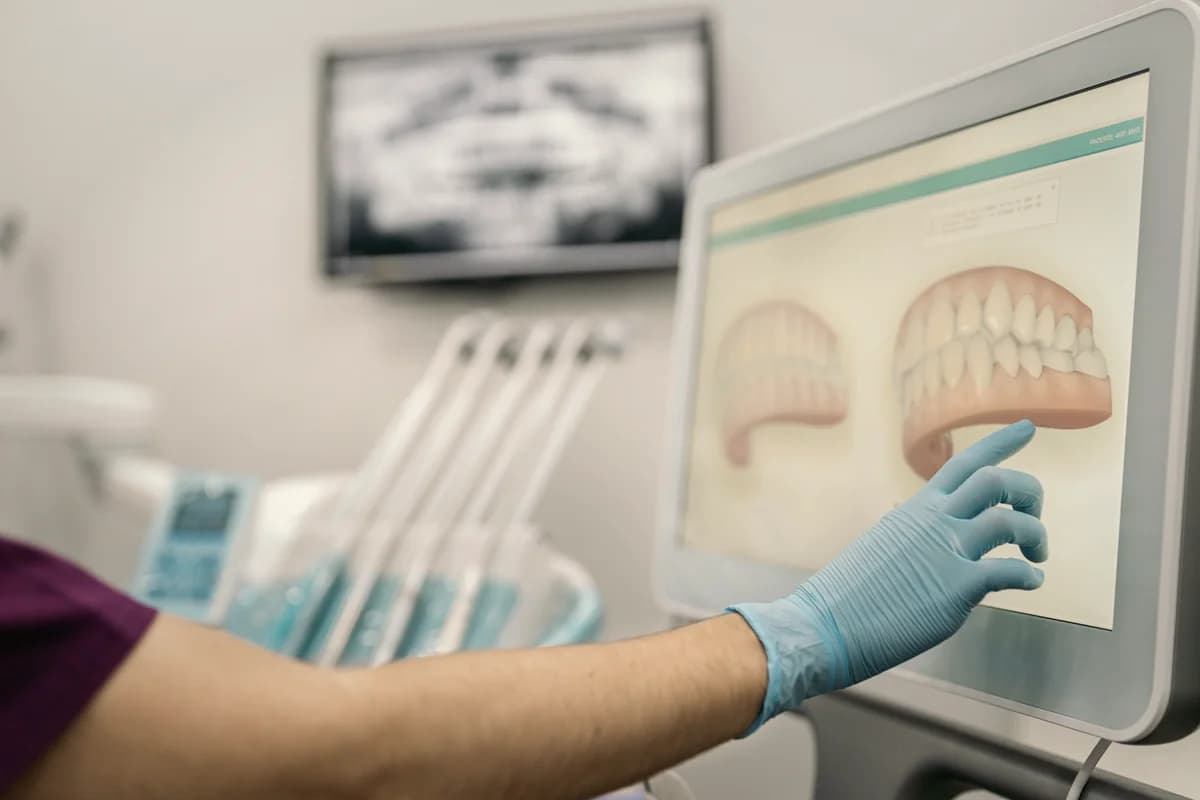
Clinician reviewing a digital dental model on a chair-side screen
Duration
1, 2 or 3 weeks
Format
Chair-side observation only
Who
Qualified dentists (DDS, BDS or equivalent)
Setting
ATDERA Care Network partner practices, Turkey
Language
Working clinical English
Certificate
Attendance — issuer stated on the document

What can a dentist observe in Digital & Guided Implant Surgery?

  • Data capture: CBCT and intraoral or model scans, and why image quality and scatter artefacts limit every later step.
  • Merging CBCT and surface-scan data, and checking that the two are aligned before any implant position is planned.
  • Prosthetically driven plan review: implant position, angulation and depth set against the intended restoration and the anatomy.
  • Template choices discussed case by case: tooth-, mucosa- or bone-supported guides, and fully versus partially guided protocols.
  • Guide-to-clinic coordination: plan approval, guide manufacture and checking the guide's seating before surgery begins.
  • CBCT-planned guided implant placement observed chair-side where it is indicated and on the surgical list.
  • Planned versus achieved position: sources of deviation, and when the team completes a guided site freehand.

Track lead

Dt. Mahmut Boran — Implantologist & Maxillofacial Surgeon

How does a digital plan become a guided implant placement?

Guided implant surgery is no more accurate than the data and the plan behind it. The workflow starts with a CBCT and a surface scan of the teeth and soft tissue, which are merged in planning software so that the intended restoration, the bone and the anatomical structures appear in one view. The implant is then positioned for the restoration rather than for the available bone alone, and the plan is reviewed for depth, angulation, distance from the canal or sinus and room for the guide sleeves. Observers follow these choices at the planning workstation where digital records are available.

The template follows from the plan. Tooth-supported guides are generally more stable than mucosa- or bone-supported designs; mucosa-supported guides are used in edentulous arches and depend on careful seating and fixation, and bone-supported guides need a flap. A fully guided protocol takes drilling and implant insertion through the guide, while a partially guided protocol guides the initial drills and finishes freehand, which may suit limited mouth opening or sites where the guide cannot seat well. Before surgery the guide's fit is checked against the teeth or tissue, because a guide that does not seat transfers its error to the implant.

Digital planning also runs through the aesthetic and orthodontic tracks, through clinical photography, intraoral scanning and 3D planning walkthroughs, but this focus is concerned with the implant side: how a plan made on screen is checked, produced as a guide and carried into the surgical room. No particular software is taught or endorsed, and the discussion stays at the level of workflow decisions, such as when guidance adds value and when it does not, rather than at the level of software menus.

How this page differs

Where the dental implant surgery page asks whether and how an implant is placed, this page asks how a digital plan is built, checked and carried to the mouth through a surgical guide. Smile-design photography and scanning for veneers belong to the aesthetic dentistry and veneers page, and the whole programme to the dental observership page.

Who this focus suits

Qualified dentists who place or restore implants, or intend to, and want to understand how CBCT, surface scans and surgical guides fit together before building a digital workflow of their own.

Tracks and duration

Guided surgery sits in the implant track led by Dt. Mahmut Boran, implantologist and maxillofacial surgeon. A 1-week placement includes an introduction to CBCT-led planning and a digital-workflow walkthrough, the 2-week option lists CBCT-planned guided surgery observation where indicated, and a 3-week placement adds cross-track digital context.

What an observer does not do

The programme is observation-only by design: observers do not place implants, prepare teeth, fit prostheses or carry out any clinical intervention on patients, regardless of their home qualifications.

  • No software licence, software tuition or guide design session of your own is included; plans are reviewed and discussed, not built by observers.
  • No planning software or scanner brand is taught or endorsed; the workflow shown is the partner practice's own.
  • Guided placement depends on an indicated case being on the surgical list during your dates and cannot be promised at application.
  • Observation-only: observers do not scan patients, seat guides or place implants.

Before you enquire

  • Open to qualified dentists holding a DDS, BDS or equivalent; final-year dental students and dental therapists are not currently eligible.
  • Working clinical English is required; observers self-assess to CEFR B2 or above and language readiness is confirmed at review.
  • Enquiries go through the contact form. ATDERA reviews each one individually and asks for a current CV and two professional references.
  • Specific case types are aligned with the partner clinician's list at scheduling, not at application; four to eight weeks from application to a confirmed placement is typical.

What do dentists ask about Digital & Guided Implant Surgery?

Which digital workflows can be observed?
On the implant track: CBCT-led planning with the surface-scan data that guides depend on, digital plan review at the workstation, and CBCT-planned guided surgery using fully and partially guided templates, observed where a case is indicated and scheduled. A clinical-photography and digital-workflow walkthrough forms part of the 1-week placement, and the aesthetic and orthodontic tracks add intraoral scanning, smile planning and 3D treatment-planning walkthroughs for cross-track context. Which of these falls inside your dates depends on the clinical list, confirmed at scheduling against two- to three-week rolling cycles.
Is software training or a software licence included?
No. The placement does not include software tuition, a licence, or a session in which you design an implant plan or guide yourself, and no planning software is endorsed. Observers can watch the partner clinician review plans at the planning workstation, where digital records are available, and ask why an implant position, guide type or protocol was chosen. Access to CBCT and digital-records workstations during observation is there for following that reasoning, not for learning a particular package. Software instruction is a matter for the software provider or a dedicated course.
When does the team choose fully guided, partially guided or freehand placement?
Case by case, and it is a central discussion on this focus. Relevant factors include the support available for the guide, mouth opening and access in posterior sites, how close the site is to the canal, sinus or adjacent roots, and whether the restorative plan is fixed in advance. A fully guided protocol keeps drilling and insertion within the guide; a partially guided protocol guides the initial drilling. Where plan review falls within your dates, observers can hear the reasoning and, where a case is scheduled, see how it plays out chair-side.
Do I need digital planning experience before applying?
No digital experience requirement is published; applicants must be qualified dentists holding a DDS, BDS or equivalent. Familiarity with CBCT anatomy and implant restoration makes the plan review easier to follow. Stating your current digital set-up and your objectives in the enquiry helps the scheduling team decide whether a guided case, a broader workflow walkthrough or both suit your dates, and gives the planning discussion a starting point in your own practice.
Does this focus cover digital smile design?
As context rather than as the focus. Smile-design photography, intraoral scanning and mock-up planning belong to the aesthetic track and are described on the aesthetic dentistry and veneers page. This page stays with the implant side of digital dentistry: scan and CBCT data, plan review and surgical guides. The two meet where an implant restoration sits in the aesthetic zone, and that link is discussed in case review when a relevant case is on the list.

Interested in this focus?

Tell us which focus and duration you are considering. ATDERA's coordination team reviews every enquiry individually and proposes a placement window aligned with the partner practice's clinical schedule.