

Track lead
Dt. Ali Kılıç — Aesthetic Dentist & Medical Manager
Dental observership · Turkey · 1, 2 or 3 weeks
Chair-side observation for qualified dentists of how veneer cases are selected, photographed, scanned and planned, and how preparation, try-in and cementation are sequenced where scheduling permits.
Dt. Ali Kılıç — Aesthetic Dentist & Medical Manager
Veneer dentistry starts with deciding whether veneers are indicated at all. The team looks at tooth position, colour, existing restorations, the enamel available for bonding, gingival levels, and the patient's occlusion and parafunction. Some concerns are better served by whitening, direct bonding, orthodontic alignment or periodontal correction, and a conservative plan may avoid preparation altogether. Clinical photographs and intraoral scans form the record, and a digital smile plan is translated into a mock-up so that proportions, incisal display and the relation to the lips can be judged in the mouth before anything irreversible is done.
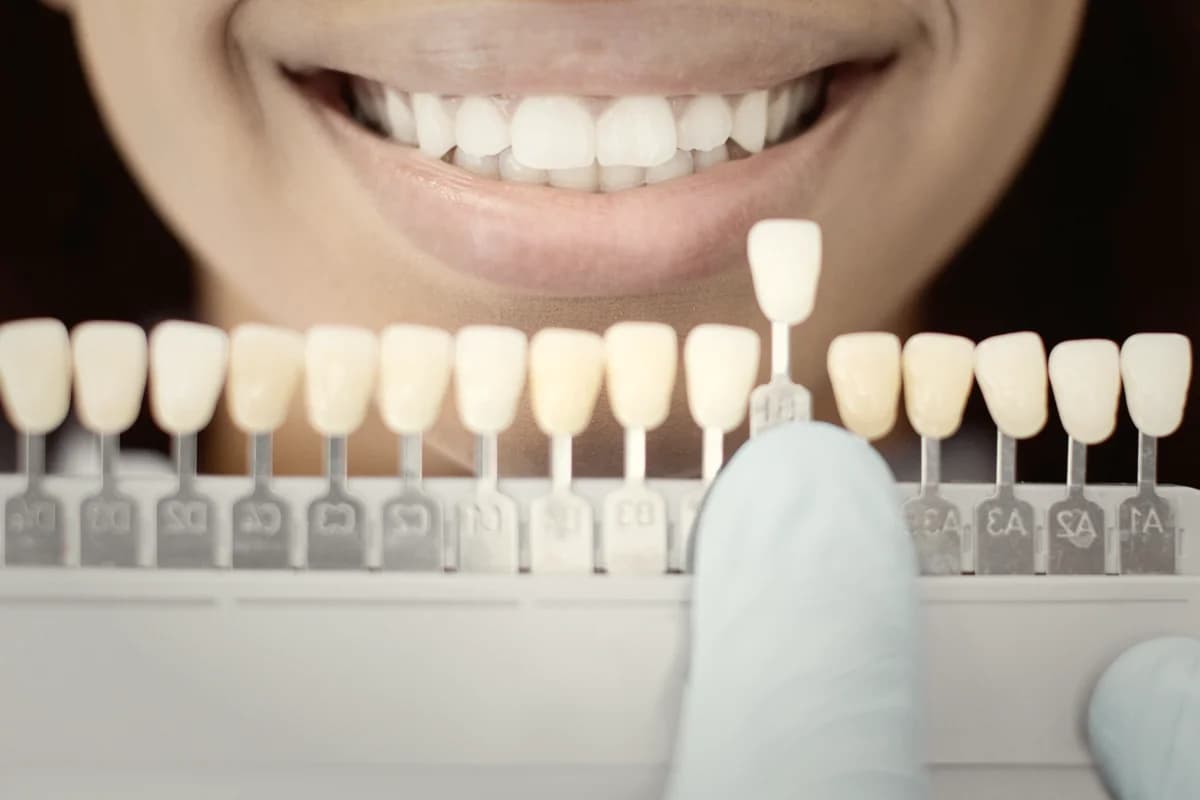
When veneers are chosen, preparation is guided by the planned result rather than by the existing teeth, aiming to keep within enamel where possible because bonding to enamel is more predictable than bonding to dentine. Material choice is discussed case by case: lithium disilicate is a glass-ceramic that can be etched and adhesively bonded and offers good translucency, while zirconia brings higher strength with different bonding and optical behaviour. Try-in checks shade and fit before adhesive cementation, and occlusion, particularly anterior guidance, is verified afterwards, since unplanned excursive contacts are a recognised cause of chipping and debonding.
The aesthetic track is led by Dt. Ali Kılıç, aesthetic dentist. Chair-side observation can be paired with laboratory-side time on the partner facility's ceramics workflow where scheduling permits, which shows how the clinician's photographs, scans and shade notes reach the technician, and why that communication matters as much as the preparation itself. The track also includes bonding-led conservative work, so the less invasive end of aesthetic treatment is discussed alongside the veneer pathway rather than treated as an afterthought.
The dental observership page covers all three tracks; this page is limited to restorative aesthetic dentistry and veneers, with digital smile planning as context. Scan-to-guide implant workflows belong to the digital dentistry page, and aligner planning sits on the clear aligner and orthodontic planning page.
Qualified dentists with a restorative or aesthetic interest who want to see how veneer cases are selected, planned and sequenced, and how material and occlusion decisions are reasoned, before extending this work in their own practice.
This focus sits in the aesthetic track led by Dt. Ali Kılıç, aesthetic dentist. A 1-week placement is a single-track introduction, the 2-week option adds aesthetic try-in and smile-design review sessions, and the 3-week option gives the widest window to see a case move from preparation towards cementation, where the schedule allows.
The programme is observation-only by design: observers do not place implants, prepare teeth, fit prostheses or carry out any clinical intervention on patients, regardless of their home qualifications.
Tell us which focus and duration you are considering. ATDERA's coordination team reviews every enquiry individually and proposes a placement window aligned with the partner practice's clinical schedule.