

Track lead
Dr. Dt. Hasan Çınarcık — Orthodontic Specialist (PhD)
Dental observership · Turkey · 1, 2 or 3 weeks
Observation for qualified dentists of how aligner cases are recorded, selected, planned digitally and reviewed mid-treatment, with records review bridging treatments that last far longer than a placement.
Dr. Dt. Hasan Çınarcık — Orthodontic Specialist (PhD)
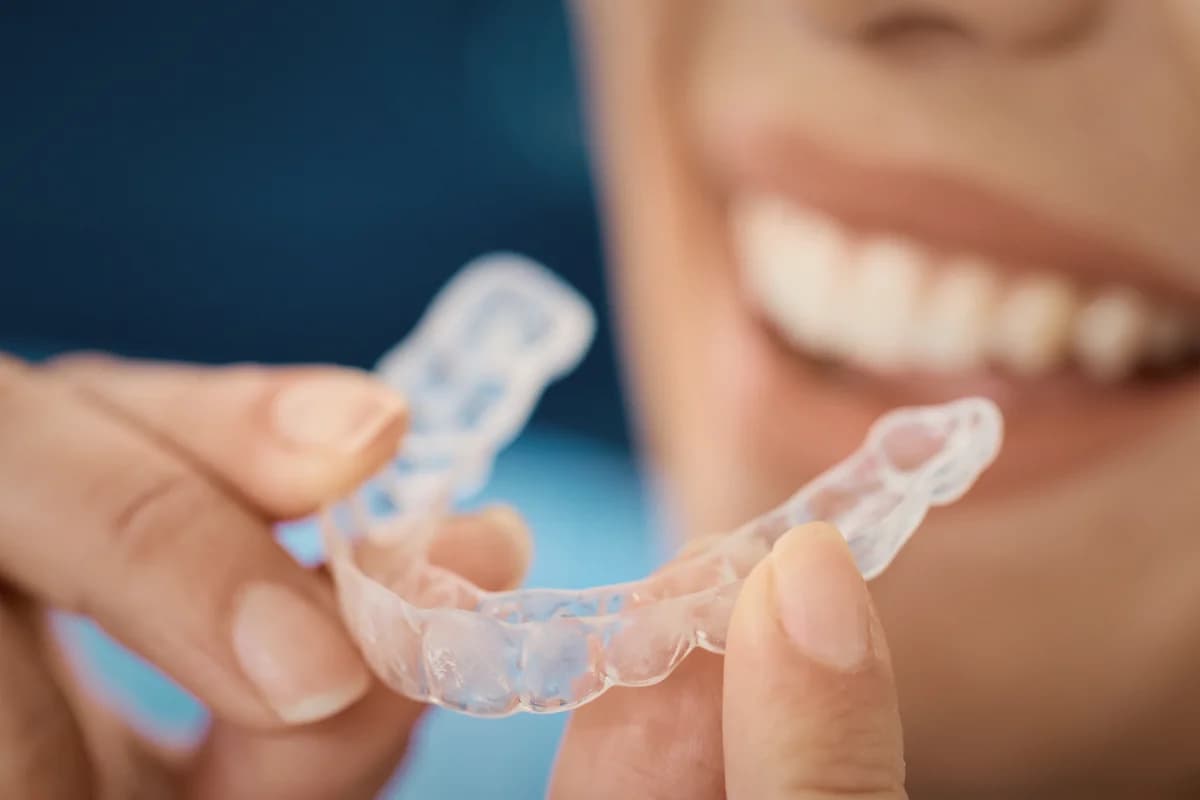
Aligner treatment depends on diagnosis before software. The orthodontic track starts with records, including extraoral and intraoral photographs, intraoral scans and radiographs, and a diagnosis covering the skeletal pattern, crowding, the transverse dimension and the periodontal condition. Case selection asks which tooth movements aligners deliver predictably and which are harder to achieve, such as extrusion, large rotations of rounded teeth and substantial root movement, and whether fixed appliances, referral to a specialist or an interdisciplinary plan would serve the patient better.
The digital treatment plan is a proposal to be checked, not a result. Staging, attachments, interproximal reduction and the final occlusion are reviewed against the diagnosis, and changes are requested where the simulated movement is unrealistic. Once treatment begins, review appointments compare tracking with the plan; when teeth fall behind, the clinician decides whether to wait, recover tracking or rescan for refinement aligners. Much of the clinical judgement in aligner therapy sits in these refinement decisions, and observers can follow them at review appointments on the list and in records-review sessions.
The orthodontic track is led by Dr. Dt. Hasan Çınarcık, orthodontic specialist (PhD), and is observation-only by design. Because the interval between appointments suits case review more than continuous chair-side time, a structured share of the schedule is spent on records review and 3D planning walkthroughs. That structure makes it possible to discuss patients at different stages of treatment within a short stay, which following a single long case could not offer.
The dental observership page describes all three tracks; this page is limited to orthodontic and clear aligner planning. Aesthetic restorative work belongs to the aesthetic dentistry and veneers page, and scan-to-guide implant planning to the digital dentistry and guided implant surgery page.
Qualified general dentists and orthodontists who use or are considering clear aligners and want to see how records, case selection and refinement decisions are handled by an orthodontic specialist.
This focus sits in the orthodontic track led by Dr. Dt. Hasan Çınarcık, orthodontic specialist (PhD). A 1-week placement is a single-track introduction, a 2-week placement allows orthodontics as the primary track, and the 3-week option includes orthodontic review across several phases of treatment alongside the other two tracks.
The programme is observation-only by design: observers do not place implants, prepare teeth, fit prostheses or carry out any clinical intervention on patients, regardless of their home qualifications.
Tell us which focus and duration you are considering. ATDERA's coordination team reviews every enquiry individually and proposes a placement window aligned with the partner practice's clinical schedule.