Rolling admission · Istanbul · Delivered in English
Reconstructive Microsurgery Observership free-flap reconstruction after cancer and trauma, in Istanbul
Follow free-tissue transfer in a university plastic surgery department, where cases are scheduled in your dates, from the joint planning discussion through the microsurgical case to flap checks on the ward, all from outside the sterile field.
What can an observer follow in Reconstructive Microsurgery?
What you see depends on the department's clinical calendar during your placement; the list below describes the department's usual scope, not a guaranteed programme.
Joint planning with the breast, head and neck and orthopaedic teams, where the expected defect is described and the reconstruction agreed before resection
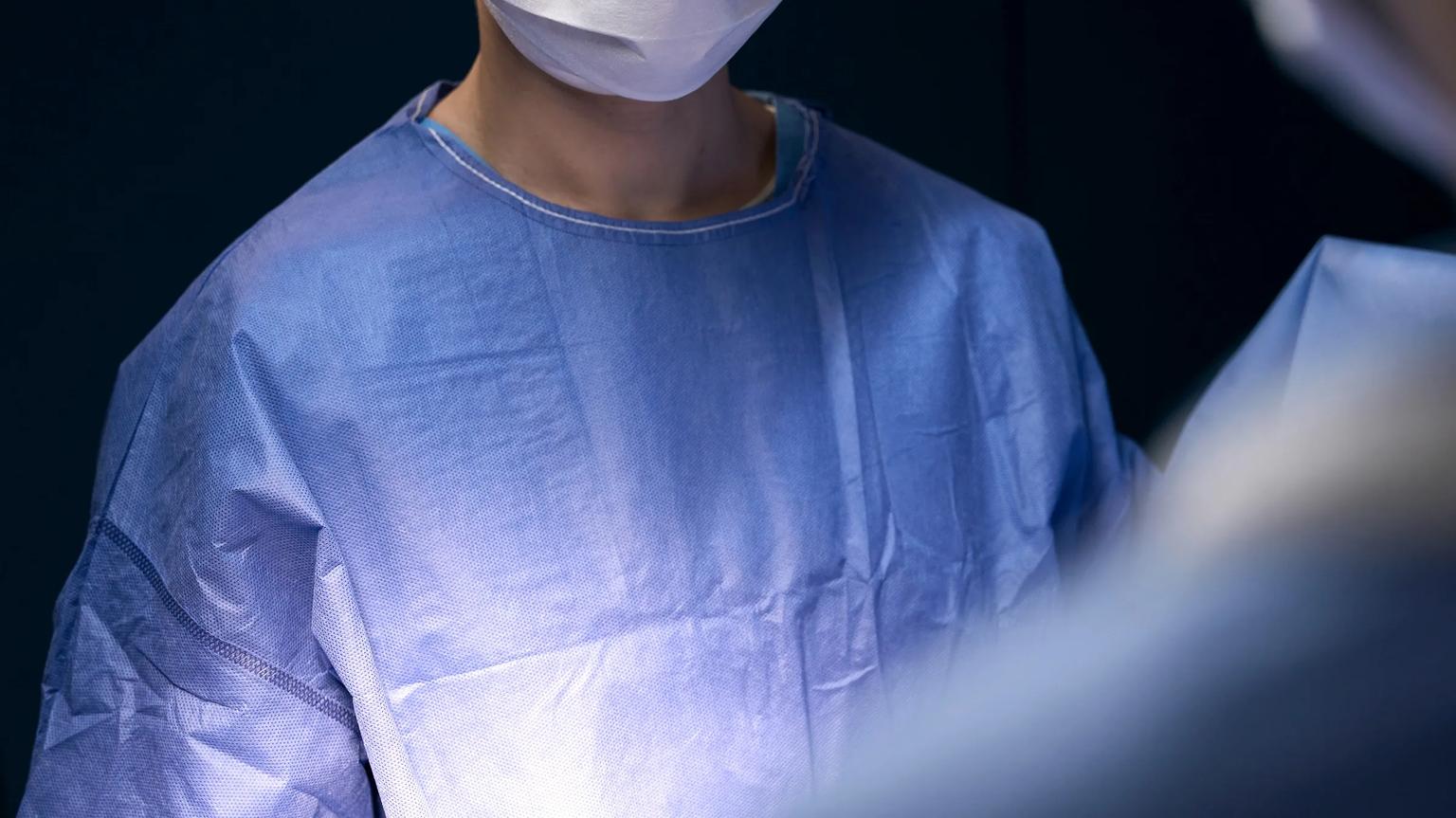
Free-flap reconstruction in the plastic surgery theatre where scheduled, followed from a non-sterile position agreed with the team
The choice of flap, recipient vessels and donor site, as the surgeons explain their reasoning during planning and in theatre
Flap checks on the ward round after a free-flap case: colour, capillary refill, temperature and Doppler signal, and when re-exploration is considered
Reconstruction after skin cancer excision and of complex wounds, where local and regional flaps are weighed against free tissue transfer
Lymphatic surgery or supermicrosurgery only where the department performs it during your dates — confirmed after review
Reconstructive outpatient clinics, where donor-site recovery, function and any later revision are reviewed with the patient's agreement
How is a free-flap reconstruction planned, and who sits at the table?
Reconstruction begins before the resection. When a head and neck, breast or limb case is discussed jointly, the resecting surgeons describe the defect they expect to leave and the plastic surgeons consider what it will need: skin cover, bulk, bone, a lining surface or functioning muscle. The reconstructive ladder, from direct closure and grafts through local and regional flaps to free tissue transfer, is a starting point; in complex defects surgeons often move directly to the option that restores function most reliably, sometimes called the reconstructive elevator.
Choosing the flap balances tissue match against donor-site cost. A thin, pliable radial forearm flap suits many intraoral defects; an anterolateral thigh flap offers a larger skin paddle with modest donor-site morbidity; a fibula flap brings vascularised bone for the mandible; abdominal-based flaps are a common choice for autologous breast reconstruction. Recipient vessels, previous radiotherapy, comorbidities and positioning in theatre all shape the decision. Which flaps you observe depends entirely on the cases scheduled during your dates.
The anastomosis is one stage of a longer pathway. Most vascular compromise declares itself in the early post-operative period, so care is organised around frequent clinical checks, often supported by a handheld Doppler, with a low threshold for returning to theatre if venous congestion or arterial insufficiency is suspected. Observers who follow a case onto the ward round see how nurses, residents and surgeons share that vigilance, and how donor-site recovery and rehabilitation are planned afterwards.
How this page differs
Where the parent plastic surgery page spans aesthetic, hand, burns and craniofacial work, this page concentrates on free-tissue transfer and the planning around it. Breast cancer surgery and its tumour board belong to the oncoplastic breast surgery page, and tendon, nerve and fracture work in the hand to the hand and peripheral nerve surgery page.
Who applies, and which route fits?
Clinical Observership
Graduate physicians and clinical-year students aiming at plastic surgery, along with head and neck or orthopaedic surgeons, who want to understand how a microsurgical reconstruction is planned, carried out and monitored.
Clinical Fellowship
Plastic surgeons with a specialist qualification for whom microsurgical reconstruction is the stated interest of a 12 to 24-month attachment to the plastic surgery department; the longer stay lets more free-flap cases be followed from planning to clinic review.
What an observer does not do
Both routes are strictly observational: observers attend theatre and clinic without patient contact, do not scrub or assist, and are not assessed on any procedure.
There is no microscope time, simulator access, cadaver work or anastomosis exercise; the placement is clinical observation, not a skills course.
Free-flap cases depend on the resection and trauma workload during your dates; their number and type cannot be promised.
Observers stay outside the sterile field and do not handle the microscope, instruments, Doppler probe or flap dressings.
The certificate documents attendance and does not attest microsurgical competence or confer procedural certification.
The two routes at a glance
The two routes side by side
Clinical Observership
Clinical Fellowship
Duration
1, 2 or 4 weeks (extension possible on request)
12 to 24 months, agreed with the host department
Who it is for
Medical students in clinical years and graduate physicians from outside Turkey
Recognised specialists and family physicians seeking advanced exposure beyond standard specialty training
Extended observational attachment to one department: daily practice, service structure and specific techniques
Certificate
Certificate of attendance issued by the host hospital and signed by its Medical Director
Certificate on completion issued under the accreditation of the affiliated university school of medicine
Start
Rotations typically begin on a Monday; dates are agreed individually
Start date planned around the date you request and the department's capacity
Before you apply
The programme is delivered in English and every applicant evidences their level with an official document.
Fees and terms are confirmed in writing after the eligibility review; they are not published on this page.
Apply three to six months ahead: departments accept only one or two observers at a time and files are reviewed in order.
State your focus in the objectives of your application. Allocation follows the department's lists during your dates.
What do candidates ask about Reconstructive Microsurgery?
Will there be microsurgical skills practice?
No. The placement is clinical observation within the plastic surgery department and has no laboratory component: no microscope time, no anastomosis exercises on synthetic or animal models, no cadaver work and no simulator access, in either route. Microsurgical skills courses are a separate format and are neither part of nor implied by this placement. What it offers instead is the clinical context such courses lack: case selection, joint planning with the resecting team, the operation as it unfolds and the post-operative monitoring that decides whether a flap survives.
Which reconstructive case types can be requested?
You can name the settings that interest you most in your statement of objectives: reconstruction after head and neck cancer resection, breast reconstruction planned with the breast surgery team, limb reconstruction after trauma with the orthopaedic team, or defects left by skin cancer surgery. The department weighs those preferences when allocating you to lists where the schedule allows, but it cannot hold or schedule cases for an observer, and the mix in any period reflects the patients referred. A request is a preference, not a booking.
How are free flaps monitored after surgery, and can observers follow this?
Monitoring is clinical and frequent in the early post-operative period: flap colour, capillary refill, temperature and turgor, often supported by a handheld Doppler signal, with escalation to the surgical team if venous congestion or arterial insufficiency is suspected. Observers can join the plastic surgery ward round when a flap patient is on it and listen to how these findings are interpreted and when re-exploration is considered. You observe the checks but do not examine the flap, hold the Doppler probe or change dressings.
How long should I stay to follow a free-flap case from start to finish?
A single case runs from the planning discussion through a long operation to several days of monitoring and a later clinic review, so a one-week observership may capture just part of it. Free-flap cases are part of the department's usual activity but are not on every day's list. A longer observership gives more chance of following at least one case end to end, and the 12–24-month fellowship gives more opportunity to follow repeated cases, across whatever defect types the department treats in that period.
Apply for an observership with Reconstructive Microsurgery as your focus
One online application for both routes. State Reconstructive Microsurgery as your focus in your objectives; ATDERA reviews the file and prepares it for the Plastic Surgery department, then replies with next steps, typically within two working days.
Five short steps: your details, education, programme choice, documents and declaration.
A personal link by email, so you can leave and return where you stopped — for 60 days.
Documents are uploaded in step 4; you need nothing to hand to begin.
ATDERA Global Limited (Companies House No. 17173428, registered in England and Wales) coordinates this programme for a university teaching hospital in Istanbul. ATDERA is not a hospital and does not provide clinical care; admission decisions and certificates are the host hospital's.
Ready to apply?
One online application covers both routes and all twenty-one specialties — details, programme choice and documents in five short steps. ATDERA reviews the file and replies with next steps, typically within two working days.