

Rolling admission · Istanbul · Delivered in English

Cosmetic Dermatology Observership & Fellowship injectables, laser and energy-based devices, chemical peels and dermatoscopy

Observe a procedural dermatology service — cosmetic consultations, injectable and laser sessions, chemical peels and dermatoscopy — at a university teaching hospital in Istanbul.
  • 21 specialties
  • Observership 1–4 weeks
  • Fellowship 12–24 months
  • English-medium · proof required
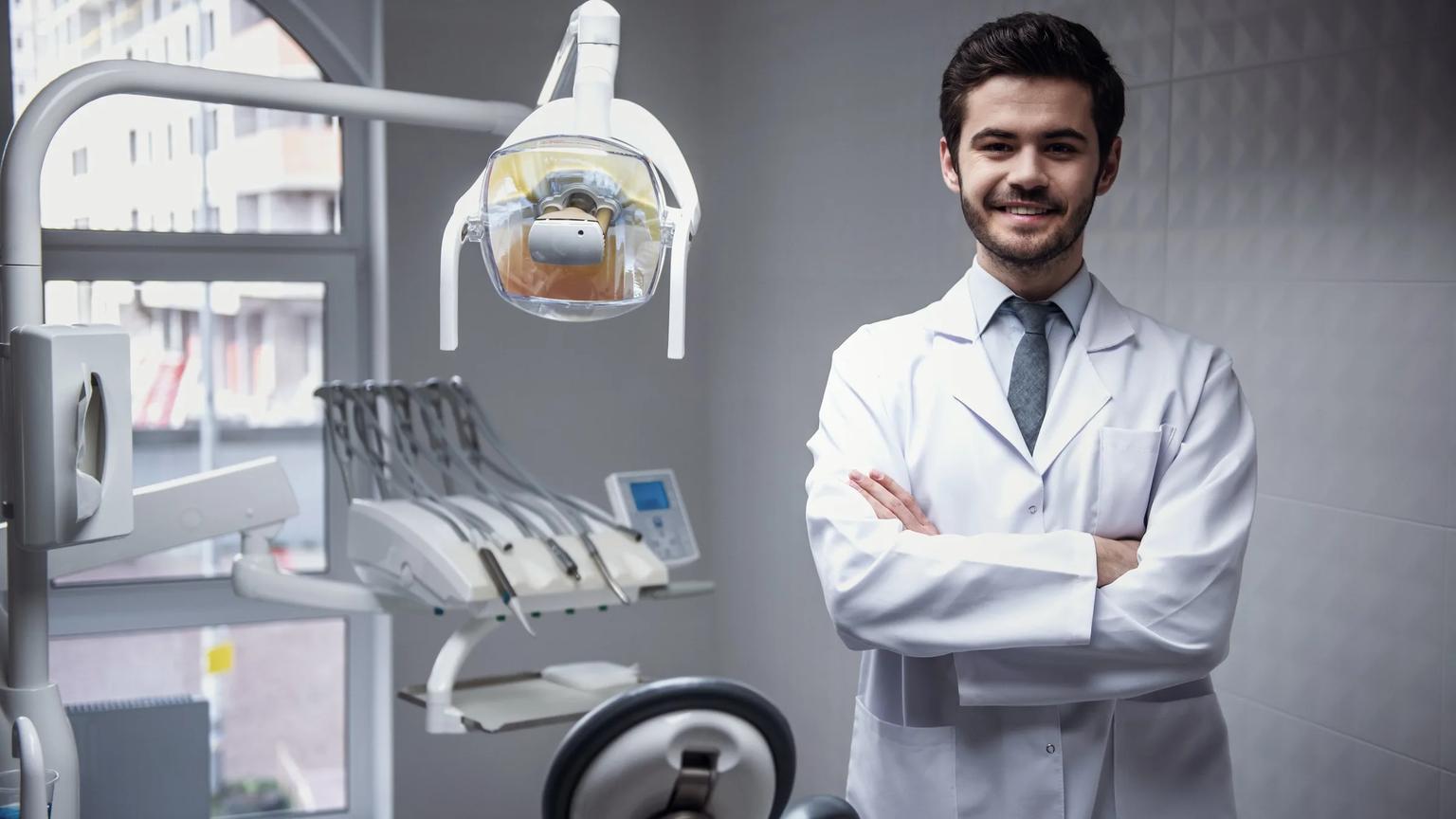
Dermatologist preparing an injectable treatment in a clinic procedure room
Routes
Observership 1–4 weeks · Fellowship 12–24 months
Format
Observation only — no patient contact
Language
English, with official proof of level
Location
University teaching hospital, Istanbul
Admission
Rolling — apply 3–6 months ahead
Certificate
Attendance (observership) · completion (fellowship)

What will you observe?

What you see depends on the department's clinical calendar during your placement; the list below describes the department's usual scope, not a guaranteed programme.

  • Cosmetic consultation in the outpatient clinic: facial assessment, photographic documentation and treatment planning
  • Botulinum toxin injection sessions for the upper face, masseter and hyperhidrosis where scheduled
  • Hyaluronic acid filler treatments, including the anatomical assessment and product selection that precede injection
  • Laser and energy-based device sessions — vascular, pigment, hair-removal and resurfacing platforms — where the calendar allows
  • Chemical peels of varying depth, with skin preparation, application and post-procedure care
  • Dermatoscopy and mole-mapping clinics alongside general dermatology assessment
  • Acne scarring, melasma and pigmentation clinics, where cosmetic and medical dermatology overlap
  • Recognition and management of complications — vascular occlusion, hyaluronidase use, post-laser care — where cases arise

Where the placement takes place

  • Dermatology outpatient clinic and dermatoscopy room
  • Cosmetic procedure room — injectables and chemical peels
  • Laser and energy-based device suite
  • Departmental case review and teaching sessions

Who applies, and which route fits?

Clinical Observership

Students weighing dermatology as a career, and graduate physicians preparing for a dermatology residency or a first aesthetic post who want to see how a university department runs cosmetic clinics alongside medical dermatology.

Clinical Fellowship

Dermatologists, and other recognised specialists or family physicians already practising aesthetic medicine, who want extended exposure to injectables, laser and energy-based devices and peels within a university department over a full clinical cycle.

Which route is right for you?

Choose the route that matches your stage. Both are delivered in English at the same host hospital and both are applied for through one online application.

The two routes side by side
Clinical ObservershipClinical Fellowship
Duration1, 2 or 4 weeks (extension possible on request)12 to 24 months, agreed with the host department
Who it is forMedical students in clinical years and graduate physicians from outside TurkeyRecognised specialists and family physicians seeking advanced exposure beyond standard specialty training
FormatFull-time, strictly observational — outpatient clinics, operating theatre, ward rounds, case discussionsExtended observational attachment to one department: daily practice, service structure and specific techniques
CertificateCertificate of attendance issued by the host hospital and signed by its Medical DirectorCertificate on completion issued under the accreditation of the affiliated university school of medicine
StartRotations typically begin on a Monday; dates are agreed individuallyStart date planned around the date you request and the department's capacity

Clinical Observership

  • Follow the complete patient pathway: pre-operative assessment, theatre, post-operative care
  • Attend departmental case discussions and multidisciplinary meetings
  • One department for the whole placement, agreed before arrival
  • Working hours follow the department, usually 08:00–18:00 on weekdays

Clinical Fellowship

  • Longitudinal exposure to a department's case mix across a full clinical cycle
  • Structured observation of advanced techniques and service organisation
  • Eligibility requires a recognised specialist qualification and proof of English
  • Fee and terms confirmed in writing after the host department's review

English is the working language — and you will be asked to prove it

The programme is delivered exclusively in English. Clinical teaching, case discussions and all coordination take place in English, so fluent spoken and written English is a condition of admission for both routes.

Every applicant is required to evidence their level with an official document. A placement may be ended early by the host department if language ability proves insufficient for safe participation.

Accepted evidence

  • A recognised English-language certificate (IELTS, TOEFL, OET, Cambridge or equivalent), ideally at CEFR B2 or above
  • An official document confirming a degree taught and examined in English
  • Other official proof issued by a recognised institution, assessed case by case

This page is available in French, Russian and Arabic for information only. The placement itself, the application documents and all correspondence with the host hospital are in English.

How does the application work?

  1. 01

    Apply on this page

    Start with your personal details; we email you a personal link. Then add your education, the route, the specialty, your preferred duration and start window, and upload your documents — in five short steps, at your own pace.

  2. 02

    Eligibility screen by ATDERA

    Once your programme choice is in, our coordination team reviews your details against the route criteria and replies, typically within two working days, with anything still missing from your file.

  3. 03

    Host-department review

    Your complete file is submitted to the host hospital. The department confirms whether it can accept you, in which dates, and communicates the fee for the placement.

  4. 04

    Payment

    Once the placement is confirmed you pay the programme fee. Cancellation terms are set out in writing with the fee quotation; a visa refusal does not alter them, so apply early.

  5. 05

    Letter of acceptance and visa

    The letter of acceptance is issued after payment and supports your visa application. Obtaining the visa is your responsibility; host staff can advise on the documentation.

  6. 06

    Arrival and orientation

    Your placement begins with an orientation on the first day: access card, scrubs, locker and an introduction to the department's schedule.

Apply three to six months ahead

Departments accept only one or two observers at a time and files are reviewed in order. Submitting your application three to six months before your intended start date makes it far more likely that you get the dates you want.

What do candidates ask about this specialty?

Can I inject under supervision during a cosmetic dermatology observership?
No. Both routes are strictly observational: you watch injectable, laser and peel sessions with the treating dermatologist but do not touch patients, handle products or operate devices. The value lies in seeing assessment, dosing decisions, technique and follow-up across many patients over consecutive sessions. Practical training, if you need it, is a separate step.
Can I apply for the fellowship as a family physician who practises aesthetics?
Yes. The fellowship is open to recognised specialists and family physicians, so a family physician with an aesthetic practice is eligible to apply; admission is decided by the host department after reviewing your qualifications, registration and objectives. The attachment remains observational, so it complements rather than replaces certified practical training in injectables or devices.
Is the placement only cosmetic, or does it include medical dermatology?
Both. Cosmetic work in a university department sits inside a general dermatology service, so observers also follow medical dermatology clinics, dermatoscopy and inpatient consultations as the rota dictates. Applicants who want a predominantly aesthetic placement should say so in their objectives; the department accommodates this where the clinical calendar allows, but not to the exclusion of the wider service.
Is the observership hands-on?
No. Both the observership and the fellowship are strictly observational. You do not touch, examine or treat patients and you do not perform or assist in procedures. You observe the full clinical pathway — clinic, theatre, ward and case discussions — alongside the department's team.
Who can apply for the observership, and who for the fellowship?
The observership is open to medical students in their clinical years and to graduate physicians from outside Turkey. The fellowship is open only to recognised specialists and family physicians who hold a specialist qualification and can prove their English proficiency.
How long are the placements?
Observerships run for one, two or four weeks; an extension can be requested where the department agrees. Fellowships run for twelve to twenty-four months, agreed with the host department before you start.
Do I need to prove my English?
Yes. The programme is delivered exclusively in English and every applicant must evidence their level with an official document — a recognised certificate such as IELTS, TOEFL or OET, or official proof of an English-medium degree. A placement can be ended early if language ability proves insufficient.
When should I apply?
Three to six months before the start date you want. Departments take only one or two observers at a time, files are reviewed in order, and rotations usually begin on a Monday. Applications are accepted all year.
What certificate will I receive?
Observers receive a certificate of attendance issued by the host hospital and signed by its Medical Director. Fellows receive a certificate on completion under the accreditation of the affiliated university school of medicine. A faculty reference letter can be requested only for placements of two weeks or longer and is never guaranteed. Certificates document attendance; they do not confer a qualification or a licence to practise.
What does the fee cover, and when do I pay?
The fee typically covers the rotation itself, scrubs, a locker, a visitor access card, meals at the staff canteen and the certificate, including VAT. Travel, visa, accommodation and insurance are separate. The fee is confirmed in writing after the eligibility review and is paid once the placement is confirmed; the letter of acceptance is issued after payment.
Who arranges the visa and accommodation?
You do. The letter of acceptance supports your visa application and host staff can advise on the documentation, but obtaining the visa remains your responsibility. Accommodation is booked and paid by you; the host can suggest options near the campus.
Why is the hospital not named on this page?
ATDERA coordinates the programme for the host hospital and shares the hospital's identity, its department pages and the supervising faculty with each applicant as soon as the eligibility screen is complete. This keeps the public page factual and the host's name out of advertising.
Can ATDERA guarantee my acceptance?
No. ATDERA screens your file and prepares it for the department; the admission decision and the dates rest with the host hospital. A complete file, early submission and clear objectives make acceptance more likely, but nothing is guaranteed.

Apply for a placement in Cosmetic Dermatology

One online application for both routes: your details, programme choice and documents in five short steps, with a personal link to return at any time. ATDERA reviews the file and replies with next steps, typically within two working days.

  • Five short steps: your details, education, programme choice, documents and declaration.
  • A personal link by email, so you can leave and return where you stopped — for 60 days.
  • Documents are uploaded in step 4; you need nothing to hand to begin.

Already started? The application page picks up where you left off.

ATDERA Global Limited (Companies House No. 17173428, registered in England and Wales) coordinates this programme for a university teaching hospital in Istanbul. ATDERA is not a hospital and does not provide clinical care; admission decisions and certificates are the host hospital's.

Ready to apply?

One online application covers both routes and all twenty-one specialties — details, programme choice and documents in five short steps. ATDERA reviews the file and replies with next steps, typically within two working days.