


London RegisteredTurkey OperationsNamed Partners4 Languages

Maxillofacial Surgery

Coordinated maxillofacial surgical pathways — orthognathic correction, TMJ disorders, oral pathology, and dentofacial trauma — delivered through the ATDERA Care Network of accredited specialist facilities in Turkey, under verified clinician review.
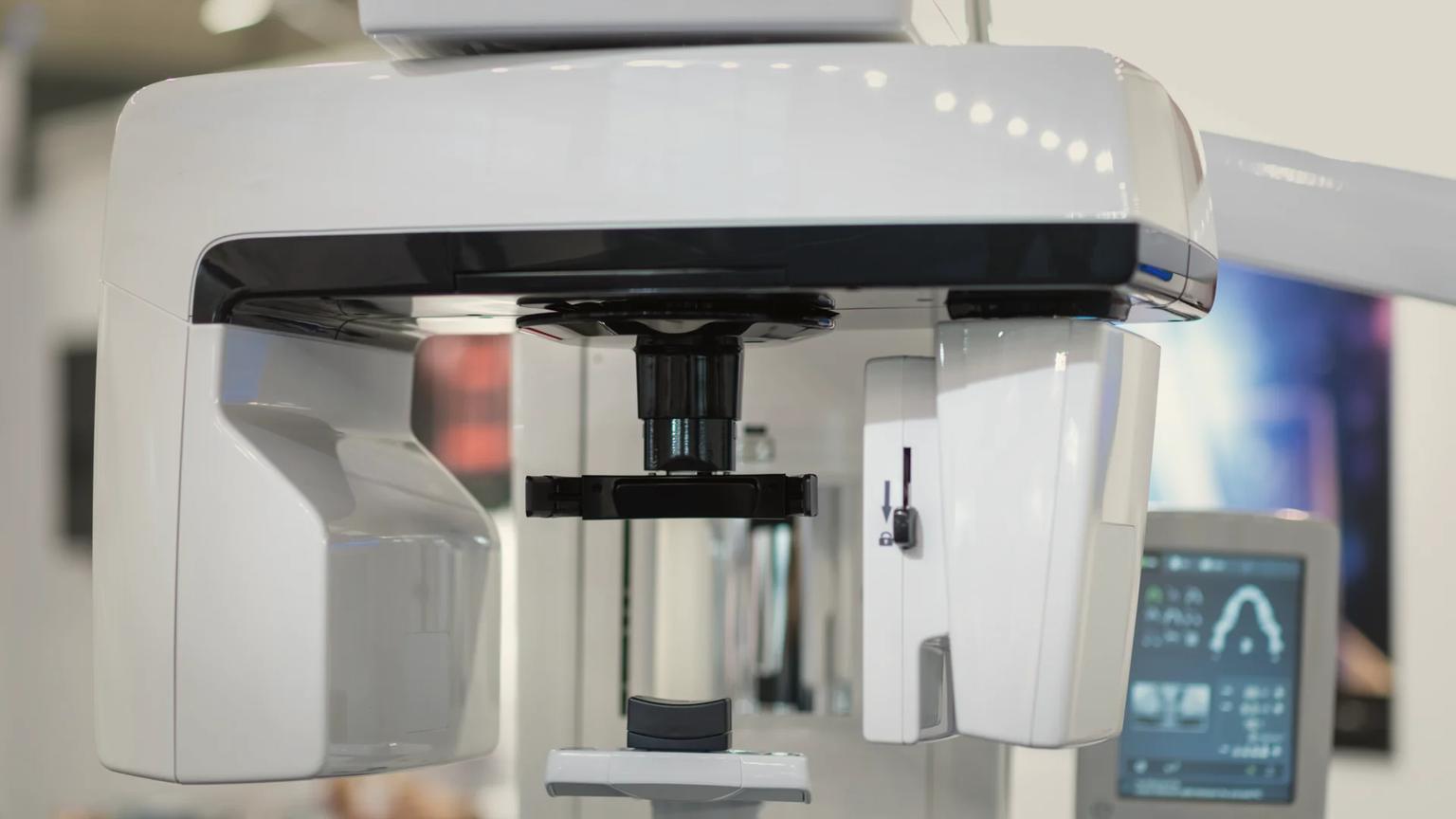
Maxillofacial surgical suite at an ATDERA Care Network partner facility in Turkey, configured for CBCT-guided procedures across the jaw and facial skeleton
Duration
Procedure-specific
Recovery
Procedure-specific
Success Rate
Coordinated pathway
Patient Stay
Procedure-specific

Overview

What does this involve?

  • Maxillofacial surgery is the surgical specialty that manages diseases, injuries, and structural conditions of the mouth, jaws, and face. The scope spans orthognathic surgery for skeletal jaw correction, temporomandibular joint disorders, oral pathology biopsy and excision, dentofacial trauma reduction, and the surgical management of impacted and pathological teeth that exceed the scope of routine dental practice.
  • On the ATDERA pathway, maxillofacial surgery is framed as a coordinated pathway rather than a single procedure. Each referral is reviewed individually against the diagnostic records — panoramic radiograph, CBCT scan, lateral cephalometric analysis where appropriate, and a focused medical history — and a verified partner maxillofacial surgeon confirms the surgical plan, the anaesthetic option, and the post-operative protocol before any travel plan is made.

Who is this for?

  • Adults with a skeletal jaw discrepancy — Class II, Class III, vertical excess, or asymmetry — that exceeds the camouflage range of orthodontic treatment alone and requires combined orthodontic and orthognathic surgical planning.
  • Patients with persistent temporomandibular joint pain, dysfunction, or internal derangement that has not responded to conservative management and warrants surgical assessment.
  • Patients with an oral lesion requiring biopsy or excision, or with a dentofacial fracture from trauma, where surgical management by a maxillofacial specialist is the appropriate clinical pathway.

Key considerations

  • Skeletal Class II or Class III discrepancy beyond the camouflage range of orthodontic treatment, requiring combined orthodontic and orthognathic surgical planning.
  • Vertical maxillary excess, mandibular asymmetry, or open bite of skeletal origin.
  • Persistent temporomandibular joint disorder unresponsive to conservative management.
  • Oral lesions requiring biopsy or excision, and dentofacial trauma requiring fracture reduction or fixation.

What to Expect

Before

Diagnostic Review and Surgical Planning

2–4 weeks before

The verified partner maxillofacial surgeon reviews your case remotely from the diagnostic records appropriate to the referral — panoramic radiograph, CBCT scan, lateral cephalometric analysis where orthognathic surgery is being considered, and a focused medical history. The review confirms whether surgery is the appropriate plan, identifies the surgical approach and the anaesthetic option, and outlines the multidisciplinary input required. ATDERA then issues a written, customised estimate covering the surgeon fee, hospital stay where applicable, and the post-operative review.

During

Surgical Visit

Procedure-specific

The surgical visit is procedure-specific. Routine oral surgical procedures and biopsies are performed under local anaesthesia or IV sedation in the partner facility's day-case suite. Orthognathic surgery, TMJ surgery, and major trauma management are performed under general anaesthesia in a hospital theatre with an overnight stay where indicated. The partner maxillofacial surgeon performs the planned procedure, with intraoperative imaging where appropriate. The visit completes when the patient is reviewed in recovery and discharge criteria are met.

After

Recovery, Multidisciplinary Follow-Up, and Long-Term Review

Procedure-specific

Recovery is procedure-specific and is recorded in writing as part of the surgical plan. The ATDERA care coordinator schedules remote video reviews at the cadence appropriate to the procedure — typically week 1 and week 6 for routine surgical procedures, and a longer multidisciplinary review schedule for orthognathic and TMJ pathways. Where orthodontic, prosthodontic, or implant work is part of the broader plan, the partner clinicians on the ATDERA pathway coordinate the sequencing.

Your Clinical Team

Portrait of Dt. Mahmut Boran, Implantologist & Maxillofacial Surgeon

Dt. Mahmut Boran

Implantologist & Maxillofacial Surgeon

All-on-4 Implant Surgery

  • DDS
  • ATDERA Care Network — Turkey partner facility
  • ~11 years experience
  • EN · TR

Frequently Asked Questions

Citations and sources

Consumer health information

  1. NHS UK. Oral and maxillofacial surgery — overview of conditions and procedures · Accessed 2026-05-03

Professional body

  1. General Dental Council (UK). Standards for the dental team — professional standards and scope of practice · Accessed 2026-05-03
  2. British Dental Association (BDA). Clinical guidance for oral and maxillofacial surgical referral and care pathways · Accessed 2026-05-03

Clinical guidance

  1. National Institute for Health and Care Excellence (NICE). Oral and dental conditions — clinical guidance and quality standards · Accessed 2026-05-03

Pricing & Cost Guidance

Customised for your case

ATDERA does not publish fixed price lists. Every treatment pathway is individually scoped based on clinical review, and costs are discussed transparently once the appropriate pathway, facility, and specialist have been designated for your case.

What influences your treatment cost

  • Procedure scope and complexity — single vs. combined, revision vs. primary
  • Partner facility and accreditation level — hospital vs. ambulatory centre
  • Length of stay — day-case, overnight, or extended recovery in Turkey
  • Specialist seniority and case-specific expertise requirements
  • Pre-operative diagnostics — imaging, lab work, specialist consultations
  • Post-operative follow-up programme — local recovery support and remote monitoring
Want a personalised cost estimate for your case?Request assessment

Join patients from the United Kingdom who have trusted ATDERA to coordinate their Maxillofacial Surgery internationally.

How Your Treatment Works

1

Enquiry

Share your medical history and treatment goals. We review every case individually.

2

Clinical Assessment

Our team evaluates your case, confirms suitability, and assigns your named specialist.

3

Planning & Preparation

We schedule your appointments, coordinate travel logistics, and prepare your treatment plan.

4

Your Treatment

Receive care from your verified clinician at an accredited facility. We manage every detail.

5

Recovery

Post-treatment monitoring, discharge planning, and clearance for your return journey.

6

Continued Care

Scheduled follow-up consultations and coordination with your physician at home.

Ready to take the first step?

No commitment required. Your case is reviewed individually before any referral is made.

Submit your enquiryAsk us a question