


London RegisteredTurkey OperationsNamed Partners4 Languages

Porcelain Veneers

Porcelain laminate, E-max, and feldspathic veneer treatment delivered through the ATDERA Care Network of accredited specialist facilities in Turkey, coordinated end-to-end from a UK-registered office under verified clinician review.
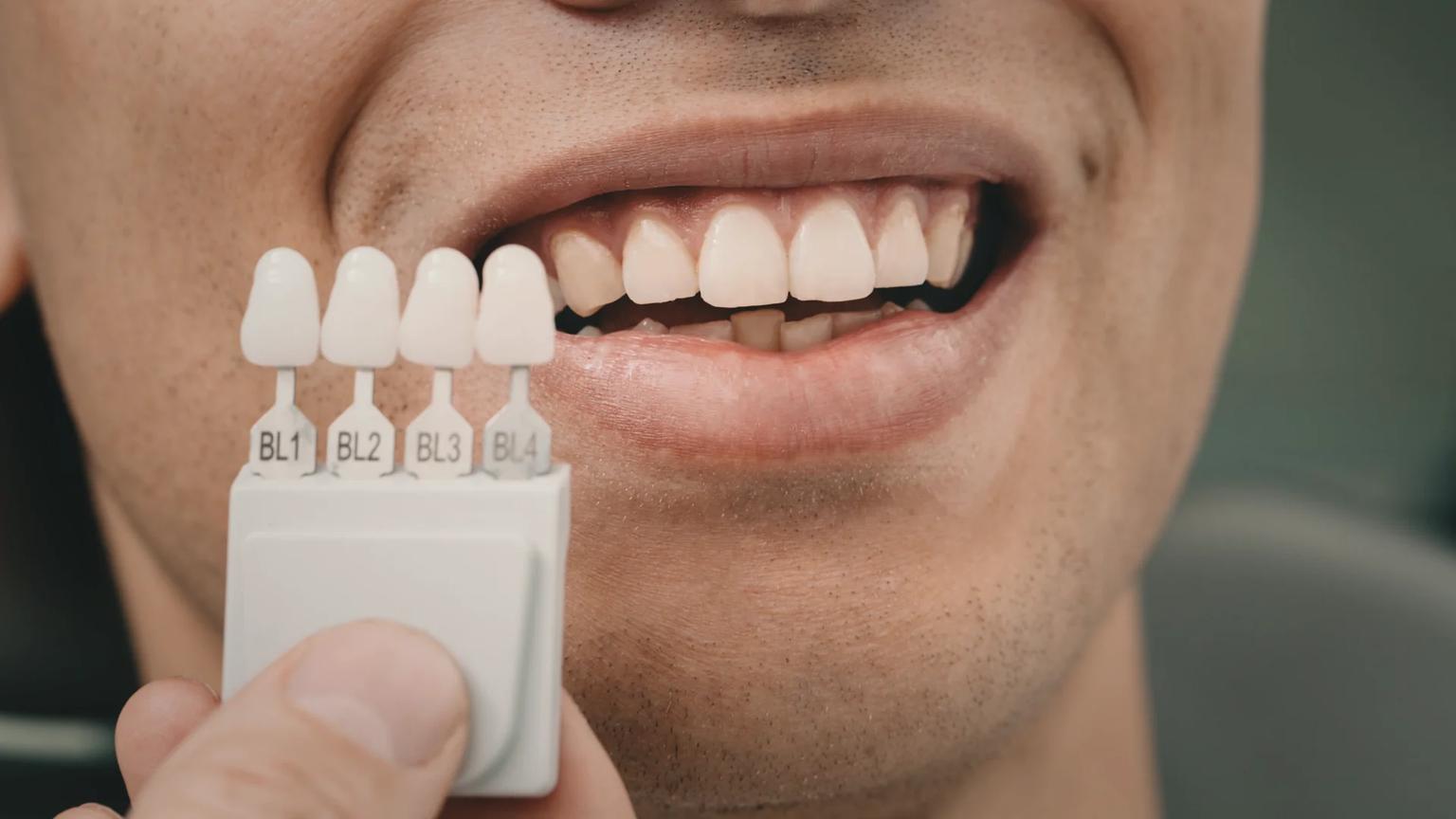
Aesthetic dentistry suite at an ATDERA Care Network partner facility in Turkey, configured for digital smile design, shade matching, and porcelain veneer bonding
Duration
2–3 hours per arch
Recovery
Immediate; soft diet 24 h
Success Rate
10–15 years typical longevity
Patient Stay
5–7 days

Overview

What does this involve?

  • A porcelain veneer is a thin, custom-fabricated ceramic shell — typically 0.3 to 0.7 millimetres thick — bonded to the front surface of a prepared tooth to correct shape, shade, alignment, or surface defects. Modern materials include lithium disilicate ceramics (such as Ivoclar Vivadent IPS e.max), feldspathic porcelain, and high-translucency zirconia systems (such as VITA and Katana), each with distinct optical and mechanical properties suited to specific clinical situations.
  • A veneer corrects the visible portion of a tooth without the structural intervention required by a full crown. The bonded ceramic restores enamel-like translucency, masks intrinsic discolouration that whitening cannot resolve, closes small interdental gaps, and can compensate for mild rotations or chips. Where the underlying tooth structure is sound, a veneer is the more biologically conservative restoration because the preparation is limited to the labial enamel surface.
  • Through the ATDERA Care Network, veneer treatment in Turkey covers single-tooth aesthetic correction, multi-unit anterior cases, and full smile redesigns. Each case is reviewed individually by a verified partner aesthetic dentist before any pathway is proposed, and the digital smile design, shade selection, and try-in stages are scheduled around the patient's clinical timeline rather than a fixed itinerary.

Who is this for?

  • Adults with intrinsic tooth discolouration — tetracycline staining, fluorosis, or traumatic darkening — that does not respond adequately to professional whitening.
  • Patients with mild to moderate misalignment, small interdental gaps, or minor rotations where orthodontic correction is declined or clinically unnecessary, and where veneer-led shape correction is the more proportionate option.
  • Patients with chipped, worn, or surface-eroded anterior teeth caused by bruxism, dietary acid, or historical trauma, where the underlying tooth structure remains sound and a veneer can restore form without a full crown.
  • Patients pursuing a coordinated multi-unit aesthetic redesign of the visible smile zone — typically 6, 8, or 10 anterior units — where uniformity of shade, contour, and proportion is the clinical goal.

Key considerations

  • Intrinsic discolouration — tetracycline staining, dental fluorosis, post-trauma darkening, or developmental enamel defects — unresponsive to professional whitening.
  • Mild to moderate enamel erosion, surface chipping, or attritional wear on anterior teeth where the dentinal structure beneath remains sound.
  • Small interdental gaps (diastemas) or minor rotations and shape irregularities where orthodontic treatment is not pursued and a restorative correction is appropriate.
  • Coordinated anterior aesthetic redesign across 6 to 10 units, where uniformity of shade, contour, and proportion is the prosthetic goal.
  • Replacement of older composite veneers or bonding that has discoloured, chipped, or marginally failed and is no longer serviceable.

What to Expect

Before

Aesthetic Evaluation and Digital Smile Design

2–4 weeks before

A verified partner aesthetic dentist reviews your case remotely from clinical photographs, a recent panoramic radiograph, and a written aesthetic brief covering shade preference, tooth shape, and reference smile imagery. The review confirms candidacy, assesses enamel volume, and identifies whether veneers, bonding, or a combined plan is the more proportionate restoration. ATDERA then issues a written, customised estimate covering the clinician fee, ceramic material, number of units, and any adjunctive work such as professional whitening or gingival contouring.

On-Site Consultation, Mock-Up, and Try-In

1 day before

On arrival in Turkey, the patient meets the partner aesthetic dentist for an in-person consultation, intra-oral examination, and digital impression. A diagnostic mock-up is fabricated from the digital smile design and tried on the patient's teeth without preparation, so shade, contour, length, and lip support are reviewed before any irreversible step is taken. Adjustments to the design are agreed in writing before the preparation appointment is scheduled.

During

Tooth Preparation and Digital Impression

2–3 hours per arch

Under local anaesthesia, a minimal layer of enamel — typically 0.3 to 0.7 millimetres — is reduced from the labial surface of each prepared tooth, calibrated against the agreed mock-up rather than removed empirically. A digital scan is taken and sent to the on-site ceramic laboratory for veneer fabrication. Provisional veneers are bonded over the preparations so the patient leaves the appointment with a functional and aesthetically acceptable interim restoration during fabrication.

Final Bonding

2–3 hours per arch

Once the laboratory has fabricated the definitive veneers, the patient returns to the clinic for the bonding appointment. Each veneer is tried on individually, shade and fit are confirmed, and the ceramic is bonded with a light-cured resin cement following the enamel-etching and silane protocols specific to the chosen ceramic. Occlusion is reviewed and adjusted, and surface polish is finalised. The full bonding appointment typically completes within two to three hours per arch.

After

Aftercare and Long-Term Review

5–7 days in country

Patients follow a soft diet for the first 24 hours and avoid hard biting on the veneered teeth for the first week while the bonded ceramic stabilises. The ATDERA care coordinator schedules a 24-hour in-country review with the partner aesthetic dentist and remote video reviews within 1st week and 3rd month with the clinician on file. Annual reviews of veneer margins, shade match, and occlusion are coordinated remotely thereafter, supported by clinical photographs.

Your Clinical Team

Portrait of Dt. Ali Kılıç, Aesthetic Dentist & Medical Manager

Dt. Ali Kılıç

Aesthetic Dentist & Medical Manager

Aesthetic Dentistry & Smile Design

  • DDS
  • Postgraduate Surgical & Aesthetic Dentistry, Radboud University
  • ATDERA Care Network — Turkey partner facility
  • ~13 years experience
  • EN · TR

Frequently Asked Questions

Citations and sources

Consumer health information

  1. NHS UK. Cosmetic dental treatments — veneers, bonding, and whitening overview · Accessed 2026-05-03
  2. Mayo Clinic. Dental veneers — preparation, materials, and clinical considerations · Accessed 2026-05-03

Professional body

  1. General Dental Council (UK). Standards for the dental team — professional standards and scope of practice · Accessed 2026-05-03
  2. British Dental Association (BDA). Private fee survey and clinical guidance for UK private cosmetic dental treatment · Accessed 2026-05-03

Clinical guidance

  1. National Institute for Health and Care Excellence (NICE). Oral and dental conditions — clinical guidance and quality standards · Accessed 2026-05-03

Research

  1. National Institutes of Health (PubMed). Long-term clinical performance of porcelain laminate veneers — systematic review literature · Accessed 2026-05-03

Pricing & Cost Guidance

Customised for your case

ATDERA does not publish fixed price lists. Every treatment pathway is individually scoped based on clinical review, and costs are discussed transparently once the appropriate pathway, facility, and specialist have been designated for your case.

What influences your treatment cost

  • Procedure scope and complexity — single vs. combined, revision vs. primary
  • Partner facility and accreditation level — hospital vs. ambulatory centre
  • Length of stay — day-case, overnight, or extended recovery in Turkey
  • Specialist seniority and case-specific expertise requirements
  • Pre-operative diagnostics — imaging, lab work, specialist consultations
  • Post-operative follow-up programme — local recovery support and remote monitoring
Want a personalised cost estimate for your case?Request assessment

Join patients from the United Kingdom who have trusted ATDERA to coordinate their Porcelain Veneers internationally.

How Your Treatment Works

1

Enquiry

Share your medical history and treatment goals. We review every case individually.

2

Clinical Assessment

Our team evaluates your case, confirms suitability, and assigns your named specialist.

3

Planning & Preparation

We schedule your appointments, coordinate travel logistics, and prepare your treatment plan.

4

Your Treatment

Receive care from your verified clinician at an accredited facility. We manage every detail.

5

Recovery

Post-treatment monitoring, discharge planning, and clearance for your return journey.

6

Continued Care

Scheduled follow-up consultations and coordination with your physician at home.

Ready to take the first step?

No commitment required. Your case is reviewed individually before any referral is made.

Submit your enquiryAsk us a question