


London RegisteredTurkey OperationsNamed Partners4 Languages

Zygomatic Implants

Zygomatic implant rehabilitation for severely resorbed maxilla, where conventional implants and bone grafting are not viable, performed by a verified partner maxillofacial surgeon and delivered through the ATDERA Care Network of accredited specialist facilities in Turkey, coordinated end-to-end from a UK-registered office.
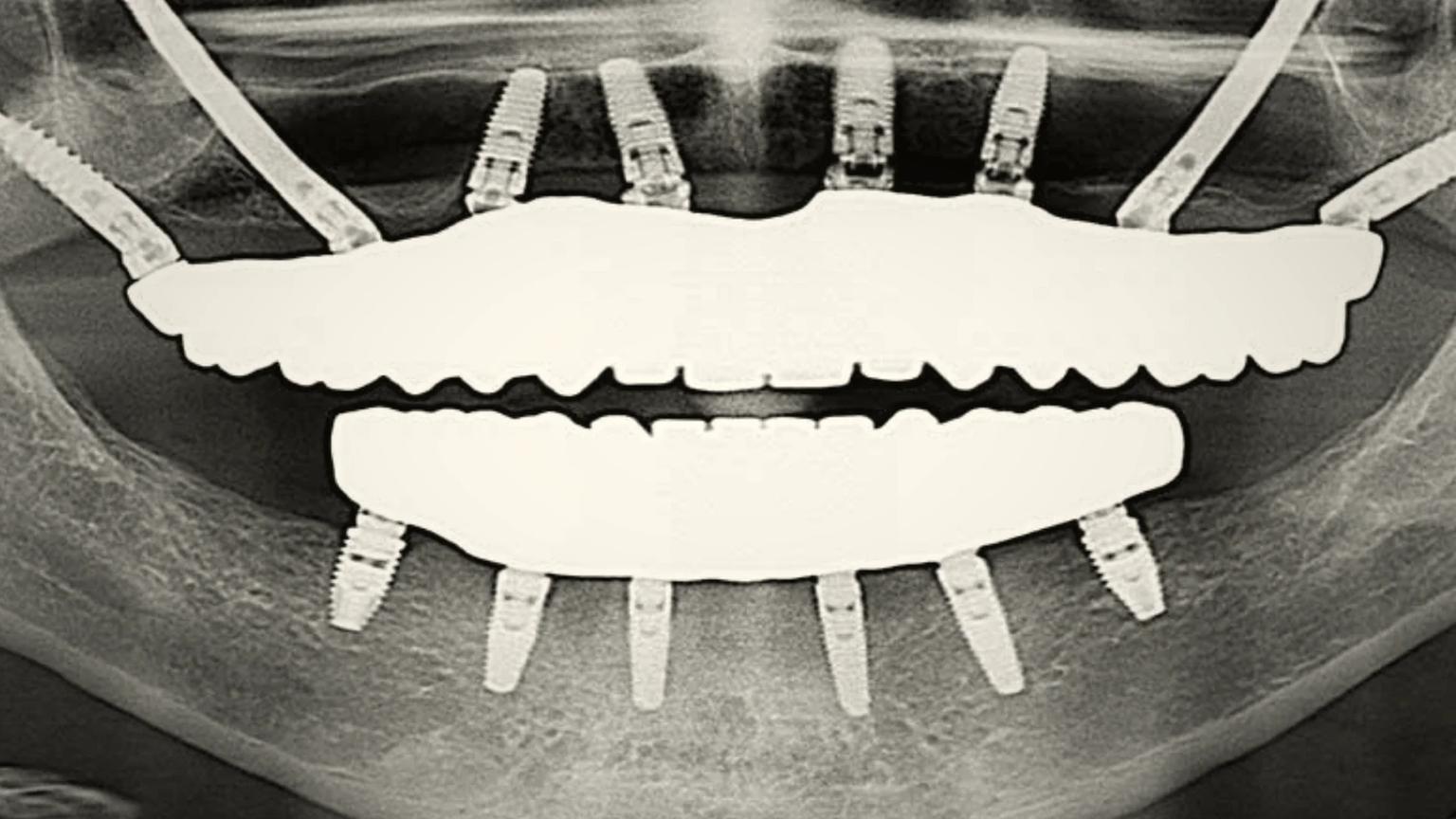
Maxillofacial surgical suite at an ATDERA Care Network partner facility in Turkey, configured for CBCT-planned zygomatic implant anchorage in the zygomatic bone for severely resorbed maxilla cases
Duration
3–5 hours per arch
Recovery
2–4 weeks (soft tissue)
Success Rate
94–98% at 10 years (Brånemark zygoma)
Patient Stay
10–14 days

Overview

What does this involve?

  • Zygomatic implants are extra-long titanium implants — typically 30 to 55 millimetres in length — anchored not in the alveolar bone of the maxilla but in the zygomatic (cheek) bone above and lateral to the upper jaw. They are used when the maxilla has insufficient residual bone for conventional implants and the patient is not a candidate for, or has declined, extensive bone grafting. The zygomatic bone is a dense cortical structure that provides reliable anchorage even where the maxillary alveolar ridge is severely atrophied.
  • A zygomatic implant pathway typically supports a fixed full-arch upper prosthesis under an immediate-loading protocol, so the patient leaves the surgical visit with a functional fixed dentition rather than a removable interim. Compared to staged grafting — sinus lift, ridge augmentation, or autogenous graft from the iliac crest followed by a six- to nine-month healing period — zygomatic anchorage condenses rehabilitation into a single surgical visit and avoids a secondary donor site. The technique was established by the Brånemark zygoma protocol and is now supported by long-term clinical evidence.
  • Through the ATDERA Care Network, zygomatic implant treatment in Turkey is reviewed individually by a verified partner maxillofacial surgeon. The procedure is performed by a small subset of internationally trained surgeons globally, and ATDERA's pathway exists specifically because patients with severely resorbed maxilla are routinely told elsewhere that they have no fixed-prosthesis option without grafting. Internationally certified zygomatic implant systems used through the network include the Nobel Biocare TiUnite Zygoma and Straumann Zygomatic systems alongside other manufacturers; the specific system is selected at the case-review stage based on the residual bone anatomy and prosthetic plan, and is recorded in the manufacturer's implant passport that travels with the patient.

Who is this for?

  • Adults with severe maxillary bone resorption — typically Cawood-Howell class V or VI atrophy — who are seeking a fixed full-arch upper restoration but have insufficient residual alveolar bone for conventional implants.
  • Patients with previous failed maxillary implants where bone grafting has already been attempted unsuccessfully, or where further grafting is no longer a clinically reasonable option.
  • Long-term upper denture wearers experiencing poor retention, soft-tissue irritation, or compromised speech and chewing function, whose CBCT scan shows insufficient bone for conventional implants and whose pathway requires zygomatic anchorage to achieve a fixed prosthesis.
  • Patients who have been told elsewhere that they are not candidates for fixed implant rehabilitation of the upper jaw — typically because of advanced resorption, sinus pneumatisation, or an unsuccessful previous graft. ATDERA arranges a second-opinion remote case review covering CBCT bone volume in the zygomatic anchor zones and the feasibility of immediate-loading rehabilitation.

Key considerations

  • Cawood-Howell class V or VI maxillary atrophy where alveolar bone is insufficient for conventional implants and the zygomatic bone provides reliable anchorage.
  • Failed previous maxillary sinus lift or grafting procedure where further grafting is not clinically indicated and the patient still requires a fixed full-arch upper prosthesis.
  • Severe class IV or greater maxillary resorption where the patient has declined autogenous bone grafting from a donor site such as the iliac crest, mandibular ramus, or chin.
  • Maxillary defects following oncologic resection, trauma, or congenital deficiency, where the residual zygomatic bone provides the only reliable anchor zone for a fixed prosthesis.
  • Long-term maxillary edentulism with concurrent denture intolerance, where the CBCT scan confirms that conventional implants are not feasible and zygomatic anchorage is the appropriate pathway to a fixed restoration.

What to Expect

Before

Clinical Evaluation and Maxillofacial Review

3–6 weeks before

A verified partner maxillofacial surgeon reviews your case remotely from a CBCT scan covering the maxilla, zygomatic bones, and maxillary sinuses; a panoramic radiograph; clinical photographs; and a full medical history. The review confirms candidacy for zygomatic anchorage, maps the residual bone volume in the zygomatic body and arch, evaluates sinus health, and identifies whether two zygomatic implants per side, a quad-zygoma configuration, or a hybrid plan with conventional anterior implants is the appropriate pathway. ATDERA then issues a written, customised estimate covering the surgeon fee, zygomatic implant brand, immediate-loading prosthesis, anaesthesia, and the in-hospital stay.

On-Site Pre-Operative Assessment

1–2 days before

On arrival in Turkey, the patient meets the partner maxillofacial surgeon and the anaesthetist for an in-person consultation, intra-oral examination, and digital impression. The pre-operative plan is confirmed against the CBCT data, the implant trajectories through the zygomatic bone are finalised, and a surgical template is reviewed where the case is being performed under guided surgery. Pre-operative blood work and the anaesthetic assessment are completed, and the ATDERA care coordinator confirms the surgical schedule and the post-operative review timeline before admission.

During

Zygomatic Implant Placement Under IV Sedation or General Anaesthesia

3–5 hours per arch

Zygomatic implant placement is performed under IV sedation or general anaesthesia in a hospital operating environment, not under pure local anaesthesia, because the surgical access traverses the maxillary sinus and engages the zygomatic body. The surgeon raises a flap, prepares the implant osteotomy through the maxillary alveolar ridge into the zygomatic bone, and inserts the zygomatic implants — typically two per side — to the manufacturer's torque specification. Where indicated, conventional anterior implants are placed alongside in a hybrid configuration. A temporary fixed prosthesis is attached the same day under the immediate-loading protocol where primary stability allows. The full surgical procedure typically completes within three to five hours per arch.

After

Hospital Recovery and Return Home

10–14 days

An overnight in-hospital stay is standard, with a 24-hour post-operative review confirming surgical-site stability, sinus health, and prosthetic occlusion. Soft-tissue healing typically takes two to four weeks, during which mild to moderate swelling at the cheek and upper lip is expected and managed with prescribed analgesics, a chlorhexidine rinse protocol, and prophylactic antibiotics where indicated. Most patients return home within ten to fourteen days of surgery. The ATDERA care coordinator schedules remote video reviews at week 1, week 4, and month 3 with the partner maxillofacial surgeon on file, supported by photographs and any in-country radiographic check the patient's home dentist arranges where appropriate.

Final Ceramic or Zirconia Full-Arch Prosthesis

4–6 months

Once osseointegration in the zygomatic anchor zones is confirmed by clinical and radiographic assessment, the patient returns to Turkey for fitting of the final e-max or zirconia full-arch prosthesis. This second visit is shorter — typically three to five working days — and ends the surgical phase of the pathway. Annual reviews of zygomatic implant stability, sinus health, occlusion, and oral hygiene are scheduled remotely thereafter through the ATDERA care coordinator, supported where indicated by an in-country CBCT review.

Your Clinical Team

Portrait of Dt. Mahmut Boran, Implantologist & Maxillofacial Surgeon

Dt. Mahmut Boran

Implantologist & Maxillofacial Surgeon

All-on-4 Implant Surgery

  • DDS
  • ATDERA Care Network — Turkey partner facility
  • ~11 years experience
  • EN · TR

Frequently Asked Questions

Citations and sources

Consumer health information

  1. NHS UK. Cosmetic dental treatments — dental implants overview · Accessed 2026-05-03
  2. Mayo Clinic. Dental implant surgery — overview, risks, and outcomes · Accessed 2026-05-03

Professional body

  1. European Association for Osseointegration (EAO). Clinical guidelines and consensus papers on implant dentistry, including zygomatic anchorage · Accessed 2026-05-03
  2. General Dental Council (UK). Standards for the dental team — professional standards and scope of practice · Accessed 2026-05-03

Research

  1. National Institutes of Health (PubMed). Long-term survival of zygomatic implants — Brånemark zygoma protocol systematic review literature · Accessed 2026-05-03

Clinical guidance

  1. National Institute for Health and Care Excellence (NICE). Oral and dental conditions — clinical guidance and quality standards · Accessed 2026-05-03

Pricing & Cost Guidance

Customised for your case

ATDERA does not publish fixed price lists. Every treatment pathway is individually scoped based on clinical review, and costs are discussed transparently once the appropriate pathway, facility, and specialist have been designated for your case.

What influences your treatment cost

  • Procedure scope and complexity — single vs. combined, revision vs. primary
  • Partner facility and accreditation level — hospital vs. ambulatory centre
  • Length of stay — day-case, overnight, or extended recovery in Turkey
  • Specialist seniority and case-specific expertise requirements
  • Pre-operative diagnostics — imaging, lab work, specialist consultations
  • Post-operative follow-up programme — local recovery support and remote monitoring
Want a personalised cost estimate for your case?Request assessment

Join patients from the United Kingdom who have trusted ATDERA to coordinate their Zygomatic Implants internationally.

How Your Treatment Works

1

Enquiry

Share your medical history and treatment goals. We review every case individually.

2

Clinical Assessment

Our team evaluates your case, confirms suitability, and assigns your named specialist.

3

Planning & Preparation

We schedule your appointments, coordinate travel logistics, and prepare your treatment plan.

4

Your Treatment

Receive care from your verified clinician at an accredited facility. We manage every detail.

5

Recovery

Post-treatment monitoring, discharge planning, and clearance for your return journey.

6

Continued Care

Scheduled follow-up consultations and coordination with your physician at home.

Ready to take the first step?

No commitment required. Your case is reviewed individually before any referral is made.

Submit your enquiryAsk us a question