


London RegisteredTurkey OperationsNamed Partners4 Languages

Root Canal Treatment (Endodontics)

Endodontic therapy delivered through the ATDERA Care Network of accredited specialist facilities in Turkey, coordinated end-to-end from a UK-registered office under verified clinician review.
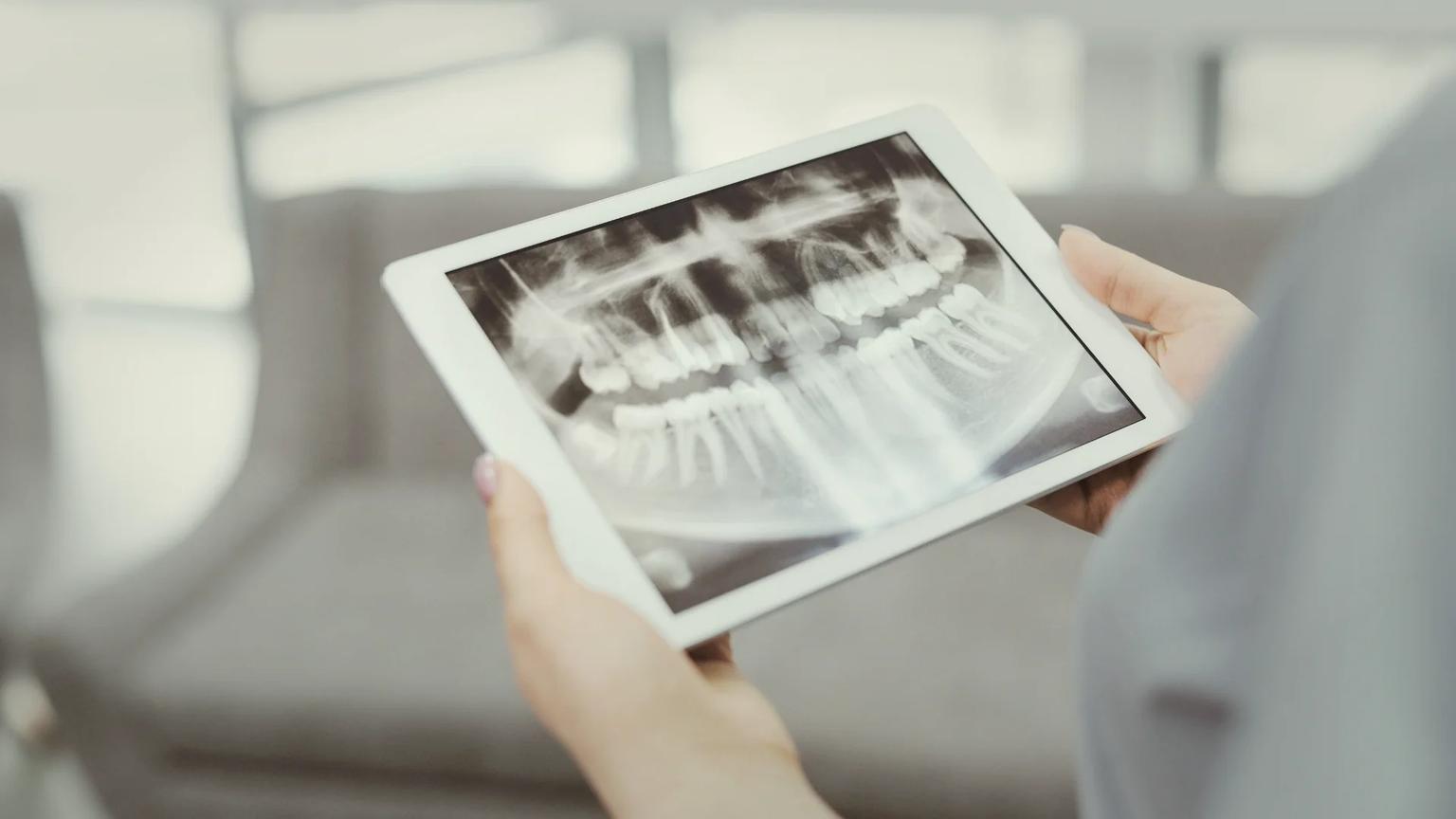
Endodontic treatment suite at an ATDERA Care Network partner facility in Turkey, configured for rotary nickel-titanium instrumentation and rubber-dam isolation
Duration
60–90 minutes
Recovery
1–3 days mild tenderness
Success Rate
>90% survival at 10 years
Patient Stay
2–3 days

Overview

What does this involve?

  • Root canal treatment, clinically termed endodontic therapy, is a routine dental procedure that removes infected or inflamed pulp tissue from the inner chamber and root canals of a tooth, disinfects the canal system, and seals it with an inert filling material. The objective is to preserve a structurally compromised natural tooth from extraction while resolving the underlying infection or inflammation.
  • The procedure typically involves rotary nickel-titanium instrumentation to shape the canal system, copious irrigation with antibacterial solutions to disinfect the anatomy, and a three-dimensional obturation that seals the root canal space against re-infection. Posterior teeth that have been root-treated are commonly restored with a full-coverage crown after endodontic completion to protect the remaining tooth structure from fracture.

Who is this for?

  • Adults with deep dental decay reaching the pulp chamber, irreversible pulpitis presenting as sustained spontaneous pain, or pulp necrosis with associated apical infection.
  • Patients with traumatic tooth injury where the pulp has been exposed or devitalised, where preservation of the natural tooth is preferable to extraction.
  • Patients with a previously root-treated tooth showing signs of persistent or recurrent apical infection who require endodontic retreatment before any further restorative work is planned.

Key considerations

  • Irreversible pulpitis with sustained spontaneous pain, lingering thermal sensitivity, or pain on biting.
  • Pulp necrosis with associated apical periodontitis or apical abscess on radiographic review.
  • Deep restorative decay or fracture exposing the pulp where preservation of the natural tooth is the appropriate clinical goal.
  • Failed previous endodontic treatment requiring retreatment before a planned crown, bridge, or restoration.

What to Expect

Before

Diagnostic Review and Treatment Planning

1–2 weeks before

The verified partner dentist reviews your case remotely from a recent periapical radiograph or CBCT slice and a focused medical and dental history. The review confirms whether endodontic therapy is the appropriate plan or whether extraction with implant replacement would serve the long-term outcome better. ATDERA then issues a written, customised estimate covering the clinician fee, the number of canals, any retreatment complexity, and the planned post-endodontic restoration.

During

Endodontic Therapy and Canal Obturation

60–90 minutes

Under local anaesthesia and rubber-dam isolation, the partner dentist accesses the pulp chamber, removes infected or inflamed pulp tissue, and shapes the canal system with rotary nickel-titanium instrumentation. The canals are irrigated with antibacterial solutions to disinfect the anatomy and then obturated with a sealer and inert filling material. The access cavity is closed with a temporary or definitive restoration. The full appointment typically completes within 60 to 90 minutes per tooth.

After

Post-Endodontic Restoration and Long-Term Review

Crown within 4–6 weeks (posterior)

Mild tenderness on biting for one to three days is normal and managed with simple analgesia. Posterior teeth are commonly restored with a full-coverage crown within four to six weeks of endodontic completion to protect the remaining tooth structure from fracture — see the related crowns and bridges pathway. The ATDERA care coordinator schedules a remote review at week 6 and a radiographic review at month 12 with the partner dentist on file.

Your Clinical Team

Portrait of Dt. Ali Kılıç, Aesthetic Dentist & Medical Manager

Dt. Ali Kılıç

Aesthetic Dentist & Medical Manager

Aesthetic Dentistry & Smile Design

  • DDS
  • Postgraduate Surgical & Aesthetic Dentistry, Radboud University
  • ATDERA Care Network — Turkey partner facility
  • ~13 years experience
  • EN · TR

Frequently Asked Questions

Citations and sources

Consumer health information

  1. NHS UK. Root canal treatment — overview, procedure, and aftercare · Accessed 2026-05-03

Professional body

  1. General Dental Council (UK). Standards for the dental team — professional standards and scope of practice · Accessed 2026-05-03

Clinical guidance

  1. National Institute for Health and Care Excellence (NICE). Oral and dental conditions — clinical guidance and quality standards · Accessed 2026-05-03

Pricing & Cost Guidance

Customised for your case

ATDERA does not publish fixed price lists. Every treatment pathway is individually scoped based on clinical review, and costs are discussed transparently once the appropriate pathway, facility, and specialist have been designated for your case.

What influences your treatment cost

  • Procedure scope and complexity — single vs. combined, revision vs. primary
  • Partner facility and accreditation level — hospital vs. ambulatory centre
  • Length of stay — day-case, overnight, or extended recovery in Turkey
  • Specialist seniority and case-specific expertise requirements
  • Pre-operative diagnostics — imaging, lab work, specialist consultations
  • Post-operative follow-up programme — local recovery support and remote monitoring
Want a personalised cost estimate for your case?Request assessment

Join patients from the United Kingdom who have trusted ATDERA to coordinate their Root Canal Treatment (Endodontics) internationally.

How Your Treatment Works

1

Enquiry

Share your medical history and treatment goals. We review every case individually.

2

Clinical Assessment

Our team evaluates your case, confirms suitability, and assigns your named specialist.

3

Planning & Preparation

We schedule your appointments, coordinate travel logistics, and prepare your treatment plan.

4

Your Treatment

Receive care from your verified clinician at an accredited facility. We manage every detail.

5

Recovery

Post-treatment monitoring, discharge planning, and clearance for your return journey.

6

Continued Care

Scheduled follow-up consultations and coordination with your physician at home.

Ready to take the first step?

No commitment required. Your case is reviewed individually before any referral is made.

Submit your enquiryAsk us a question